Events & Tours
Indy 500: the oldest and fastest race in the world
The Indy 500 is famous for its traditions, selective qualifications, victories by female drivers, and increasing average speeds. It has evolved from racing on bricks to becoming the oldest and fastest race in the world, captivating both drivers and fans.

In 1910, one year after the birth of the Indianapolis Motor Speedway, a decision was made to pave the entire track with over three million 10-pound (4.5 kg) bricks. This move was undoubtedly a statement of intent to continue the announced 500-mile race for many years to come. However, it wasn’t the most practical choice in case of rain, given the slippery nature of wet bricks. One might wonder if the American tradition of not racing in the rain – a tradition that is gradually fading away – is partly due to the decision to use a surface that’s far from ideal when wet.
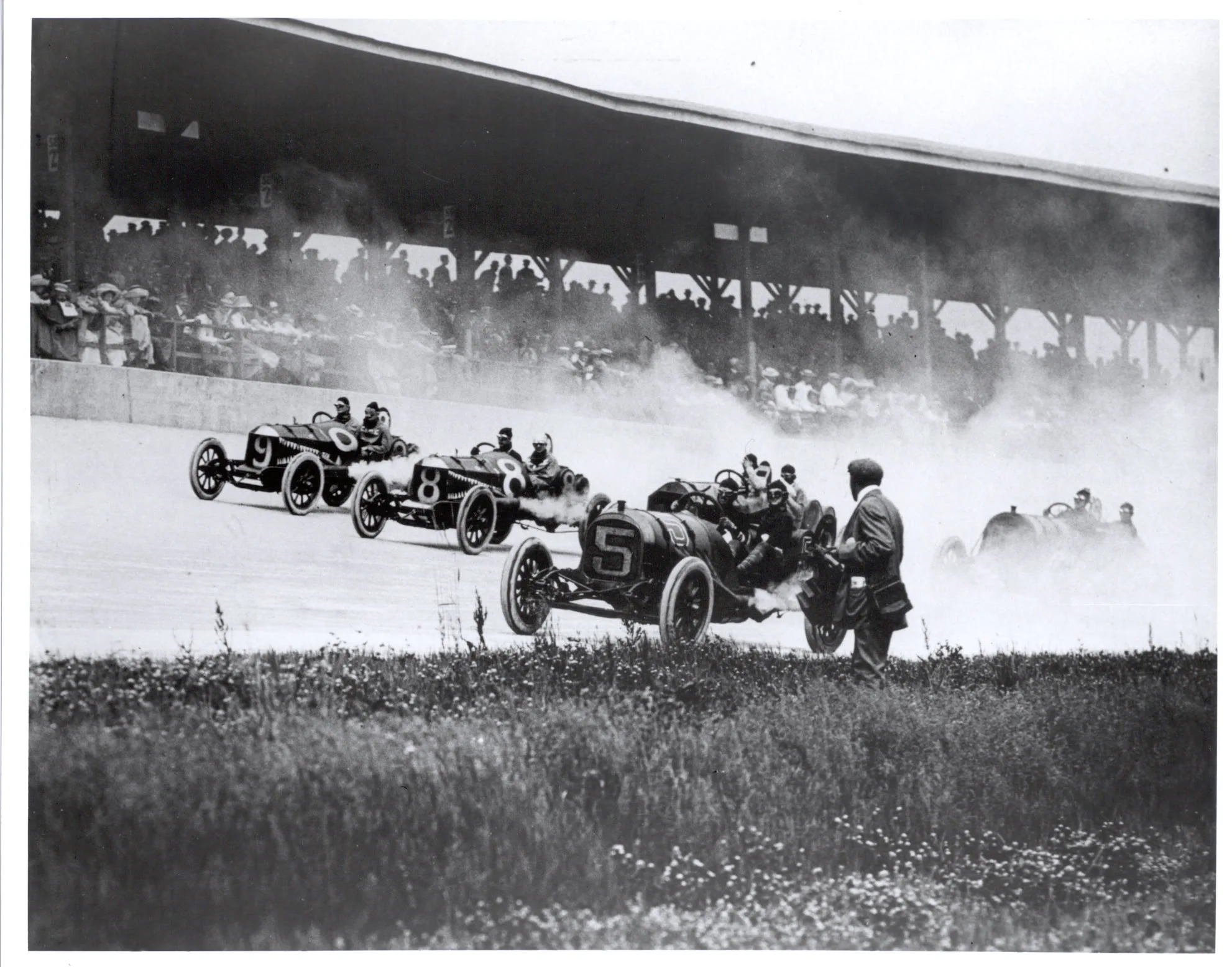
The Indianapolis 500-Mile Race is the world’s oldest continuous race, and its racetrack has become a legend that attracts drivers for its speed and its historical significance. It’s essentially a bowl-shaped track, featuring two straights connected by two double curves and surrounded by a famous concrete wall where, inevitably, some competitors collide. Despite average speeds exceeding 360 km/h over the 500-mile distance, including pit stops for tyre changes and refuelling, the race has made significant strides in terms of safety over the years. This is thanks to cars that provide better protection for drivers and an asphalt surface that replaced the bricks in 1938, ensuring excellent track quality.