Events & Tours
How a French inventor shortened the distance between London and Brighton
In 1896, a groundbreaking race from London to Brighton took place, with cars replacing horse-drawn carriages. Leon Bollee's tricycle won, covering the 84-kilometer distance in just 3 hours, 44 minutes, and 35 seconds.

On 14th November 1896, it was cold in London, but at the first light of dawn, some strange self-propelled contraptions, what we now call cars, some even with three wheels, were lined up waiting for the start of a race that was unthinkable just a few months earlier: to go from London to Brighton in less than four hours. Less than four hours? With a carriage pulled by well-fed horses, the 84-kilometre journey on a dirt road with deep ruts would have taken at least twice as long. Incredible. And the result was even more surprising: the noisy petrol-powered tandem two-seater tricycle, proudly named after its French inventor, Léon Bollée, covered the distance in just 3 hours, 44 minutes, and 35 seconds.
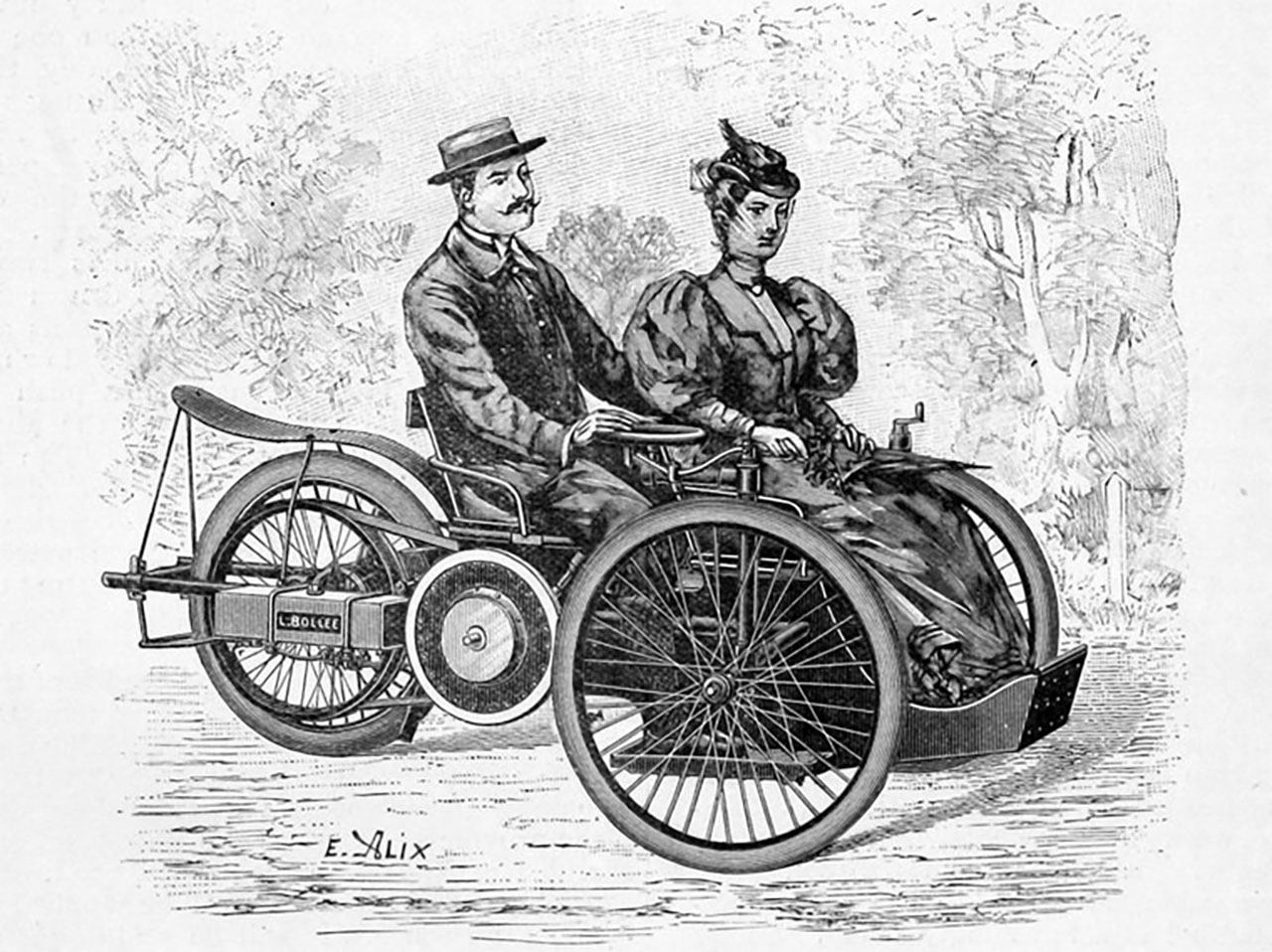
It’s worth noting that the Bollée family happened to be from Le Mans, where the famous 24 Hours of Le Mans was born in 1923. His victory had been achieved 27 years earlier, and the previous year, his tricycle had also participated in the Paris-Bordeaux-Paris race. Not only that, the visionary Bollée family had previously built steam-powered vehicles. In short, the London to Brighton race was born as an international competition, and the British, who know how to appreciate and value their past, continue to celebrate it, always strictly in November, albeit on much more comfortable roads now.