Collectors & Aficionados
Historic Route 66, After 100 Years, a Legacy Worth Reviving
The Interstates won, but the Mother Road endured – a century on, Route 66 still has a race left to run.
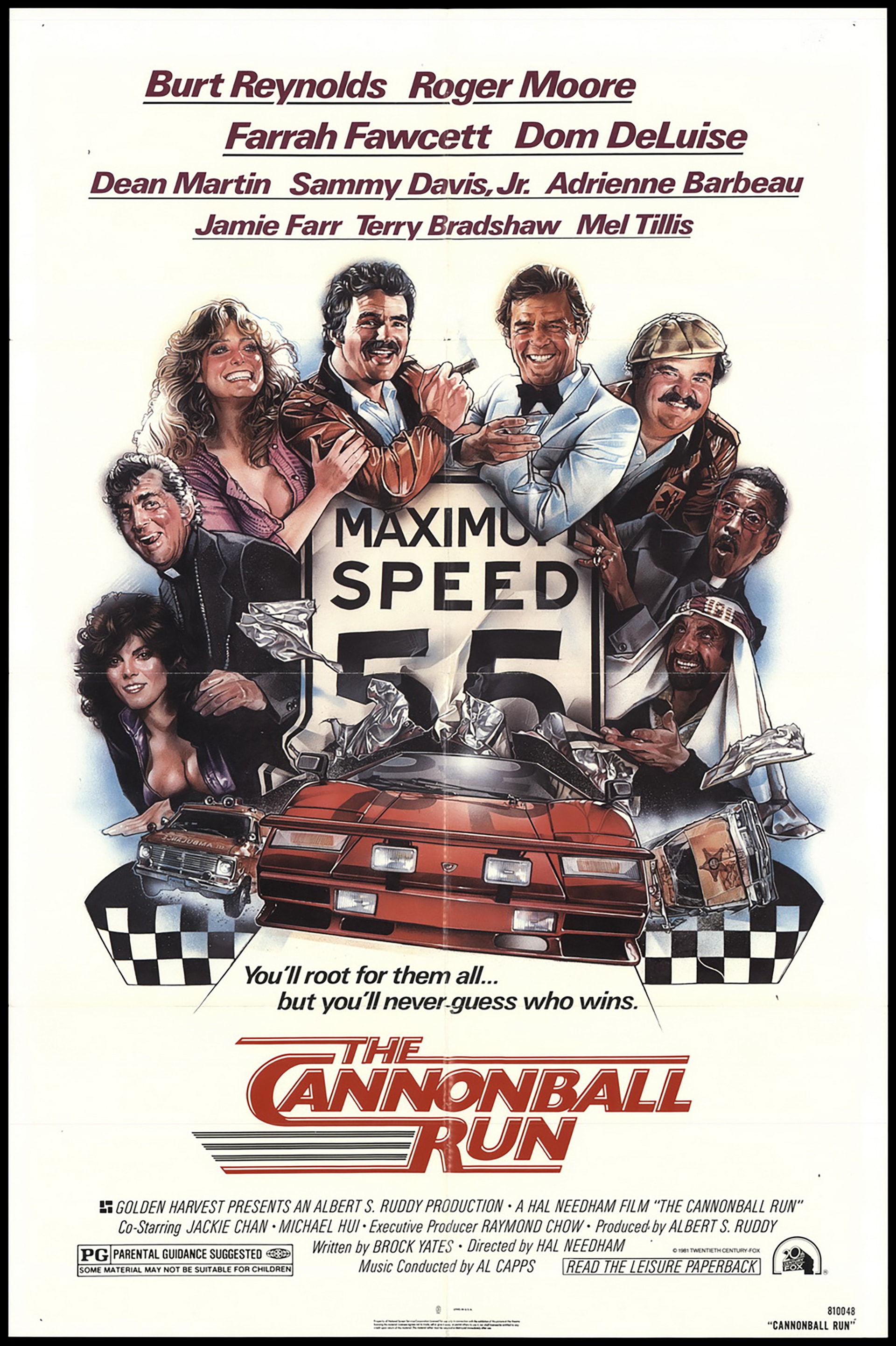
In November 1971, Brock Yates and Dan Gurney crossed the United States from New York to California in 35 hours and 54 minutes, aboard a Ferrari 365 GTB/4 Daytona. They won the first Cannonball Run – a race with no mandatory route and a single rule: arrive before everyone else. Conceived as a spirited protest against the severe speed limits imposed on the new Interstate network, and free to follow any path, the run took in significant stretches of Route 66. It remains, to this day, a symbol of the desire to wed challenge to adventure. There were just four editions of the Cannonball Run, and one film to immortalise it: The Cannonball Run of 1981, starring Burt Reynolds. As one of history’s most celebrated outlaw races was born, the road that had created the American myth of the journey was fading beneath its wheels.
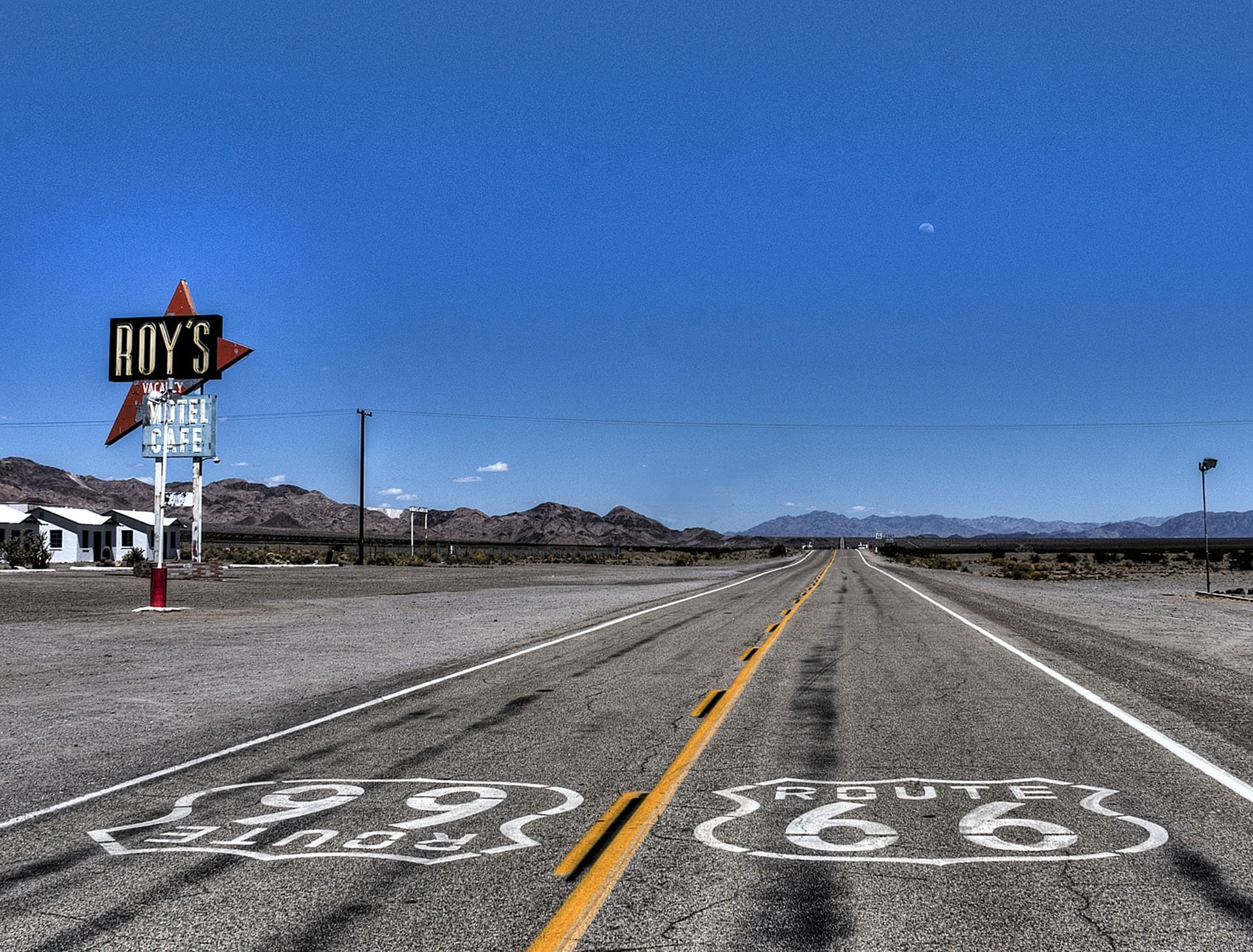
Route 66 was officially established on 11 November 1926, linking existing roads between Chicago and Los Angeles across roughly 2,400 miles – just under 4,000 kilometres – and passing through eight states. In its early years, many sections were unpaved; it was not until 1938 that the entire route was surfaced. Even the number 66 came about almost by chance: Cyrus Avery, remembered by history as the "Father of Route 66", would have preferred the number 60, but a dispute over the new federal numbering system made it unavailable. Sixty-six was chosen – short, easy to remember, and destined to become famous.