Collectors & Aficionados
Grand Prix, 1966: When Hollywood Really Raced in Formula 1
John Frankenheimer’s Grand Prix turned sixty in 2026 – here’s how real F1 cars, Phil Hill, and a near-fatal fire scene made it cinema’s most authentic racing film.
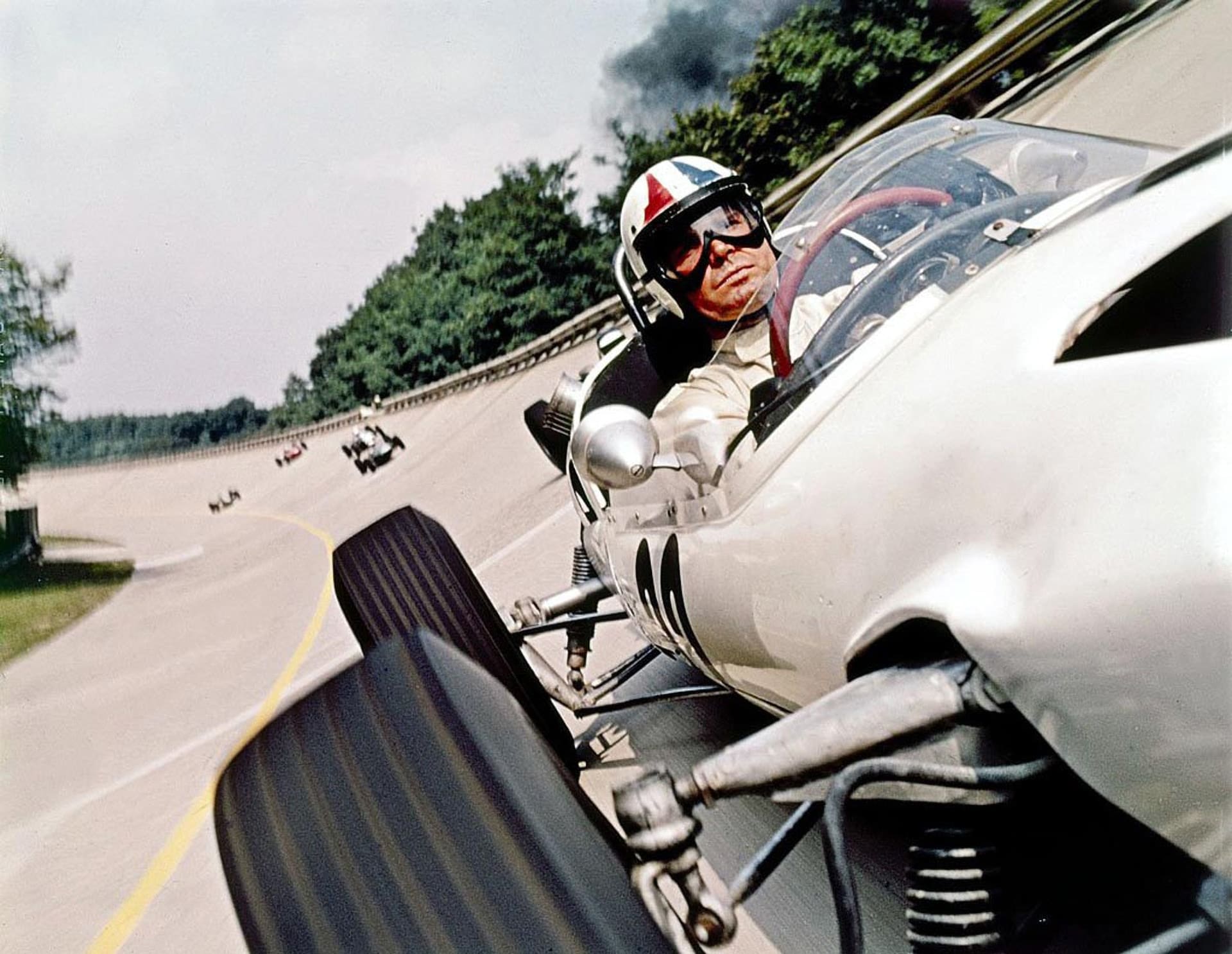
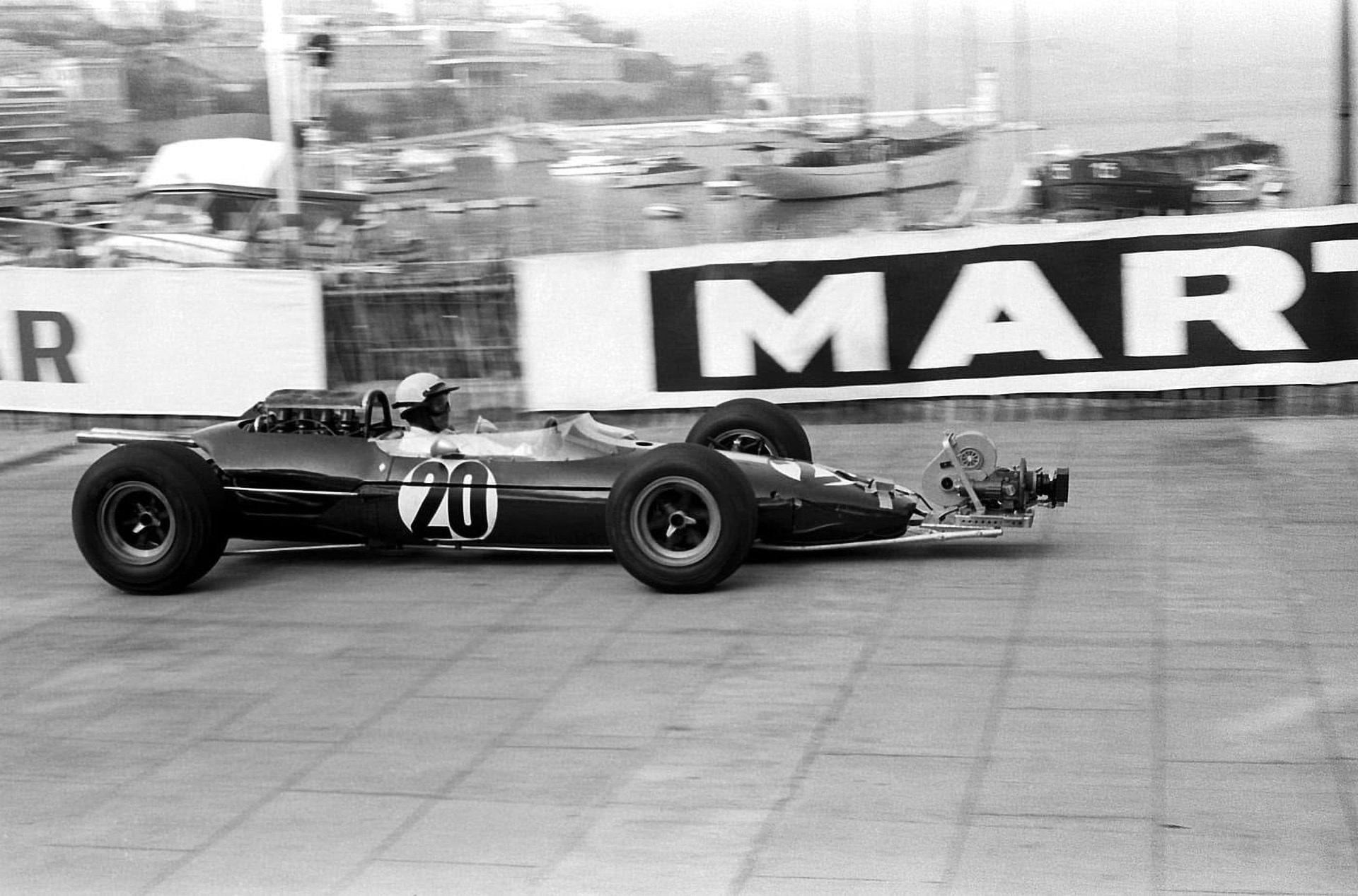
On 21 December 1966, Grand Prix opened in American cinemas. Racing films had been made before, but John Frankenheimer wanted something different: not to reconstruct motorsport for the screen, but to bring the camera inside Formula 1 and film speed without pretending. Sixty years on, the question arises almost naturally: is it still the most realistic racing film ever made? It was certainly born with that ambition, grounded in a single rule: no cars filmed slowly and sped up in post-production. The single-seaters had to go fast for real. The crew followed the European Formula 1 season of 1966, working across Monaco, Spa-Francorchamps, Brands Hatch, Zandvoort, Clermont-Ferrand, and Monza, blending footage from actual Grands Prix with specially constructed sequences. Many of the cars driven by the actors were in fact Formula 3 machines modified to resemble F1 cars, but the real racing cars were fitted with camera mounts of a kind previously unimagined. 1961 World Champion Phil Hill drove modified single-seaters as camera cars during the Monaco and Spa weekends to capture breathtaking onboard footage, while a Ford GT40 was used as a high-speed camera car.
The cast was very well chosen, even if the anticipated Steve McQueen was absent – he would return to the track in 1971, with the film Le Mans. Among the casting decisions, Italian actor Adolfo Celi, representing Ferrari, was nothing short of perfect.