Collectors & Aficionados
From Style to Safety - Part 4: Life-Saving Accessories
From ventilated helmets to the Halo, every detail in racing gear shows how far driver safety has evolved.

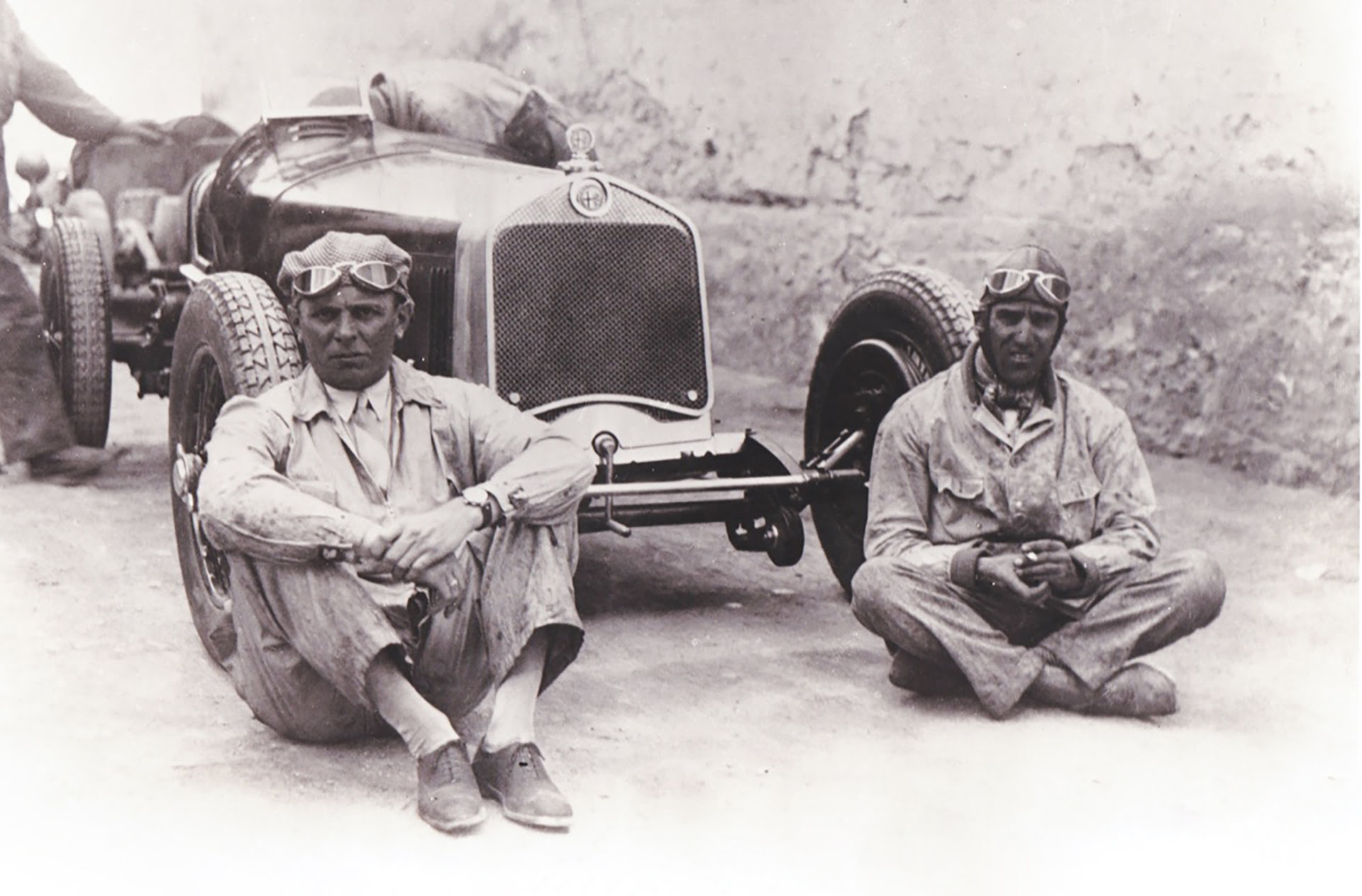
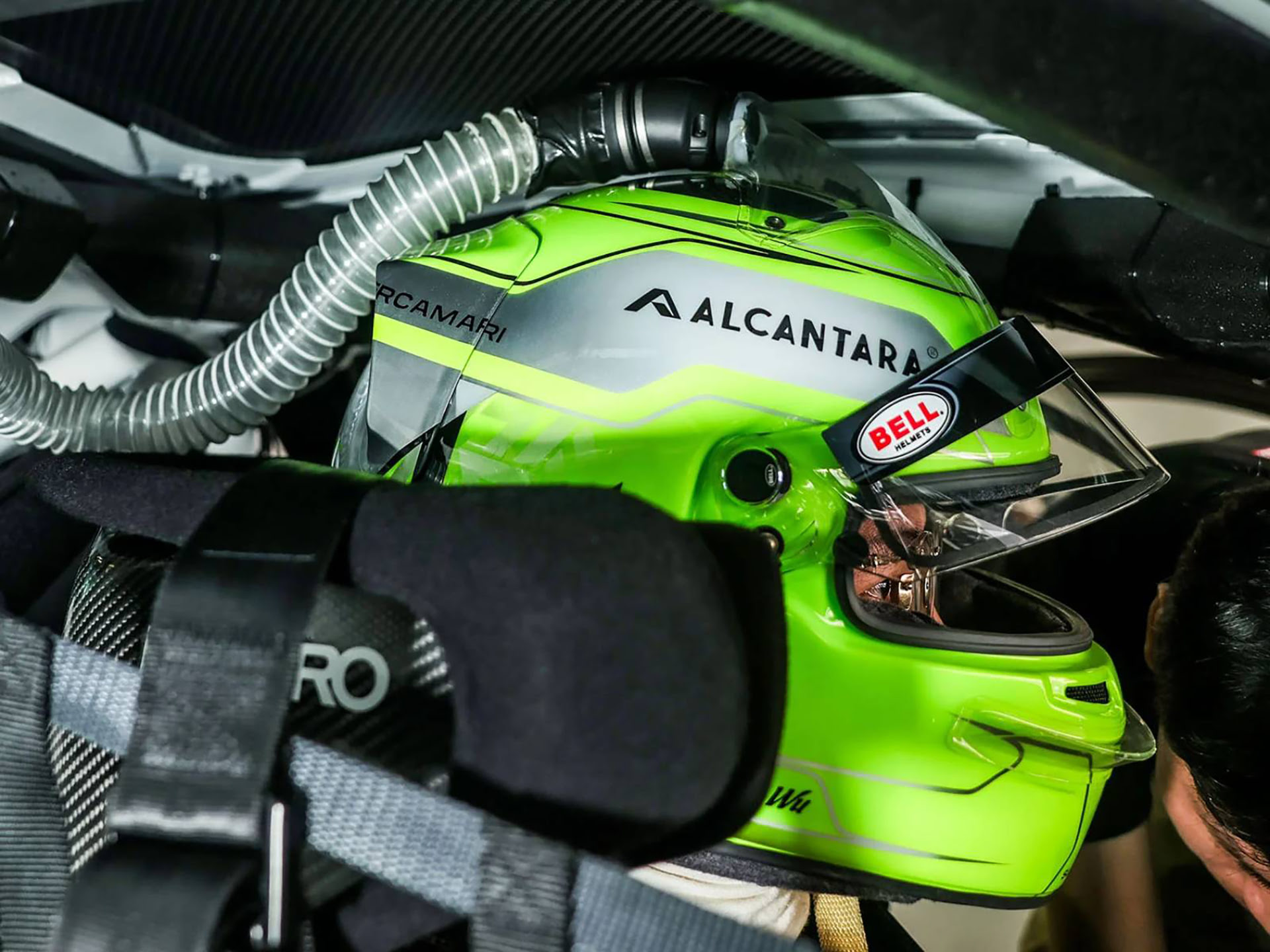
Reminiscent of the fabric caps worn by drivers of the past, the ventilated helmets worn by those competing in today's GT, IMSA, and WEC races, as well as IndyCar and NASCAR, demonstrate how much attention to driver safety has grown over the years, down to the smallest detail. What are these helmets? In enclosed race cars, the heat can be extremely high. With driving stints that can sometimes exceed two hours, having fresh air reaching the head and face guarantees concentration and clarity. This is the purpose of the system, which works simply: a tube carries air collected by a special dynamic intake to the driver's head. When changing helmets, a mechanic detaches the tube from the helmet of the driver leaving the car and attaches it to the one getting behind the wheel. In Formula 1, where the head is exposed but body heat can sometimes be extremely high, with drivers completely enveloped by the bodywork for aerodynamic reasons, the use of a cooling jacket under the suit has become mandatory. Not everyone likes it, but it is certainly an important step towards safety.
To discuss what has consistently led to the introduction of safety regulations, the International Automobile Federation (FIA) has historically started by analyzing the causes of accidents. The horrifying fire in Romain Grosjean's HAAS car at the 2020 Bahrain GP horrified everyone: for years, with new fuel tank types, their placement, and numerous other measures, fire seemed to have disappeared from racing. It wasn't just luck that saved the driver, however: the sum of everything introduced in the regulations worked in that circumstance, and Romain emerged virtually unscathed. We're talking about things that seem like details, like the balaclava, the fireproof helmet cap introduced in the 1970s, and the entire clothing underneath the suit, including, of course, underwear, gloves, and socks. The suits themselves are now highly efficient. Added to these is the Hans collar, worn on the shoulders to prevent the head, weighed down by the helmet, from breaking the spine in the event of an impact.