Collectors & Aficionados
From Style to Safety - Part 2: The Evolution of Racing Driver Helmets
From bareheaded heroes to full-face protection: the evolution of racing helmets tells a century-long story of courage, style, and safety.

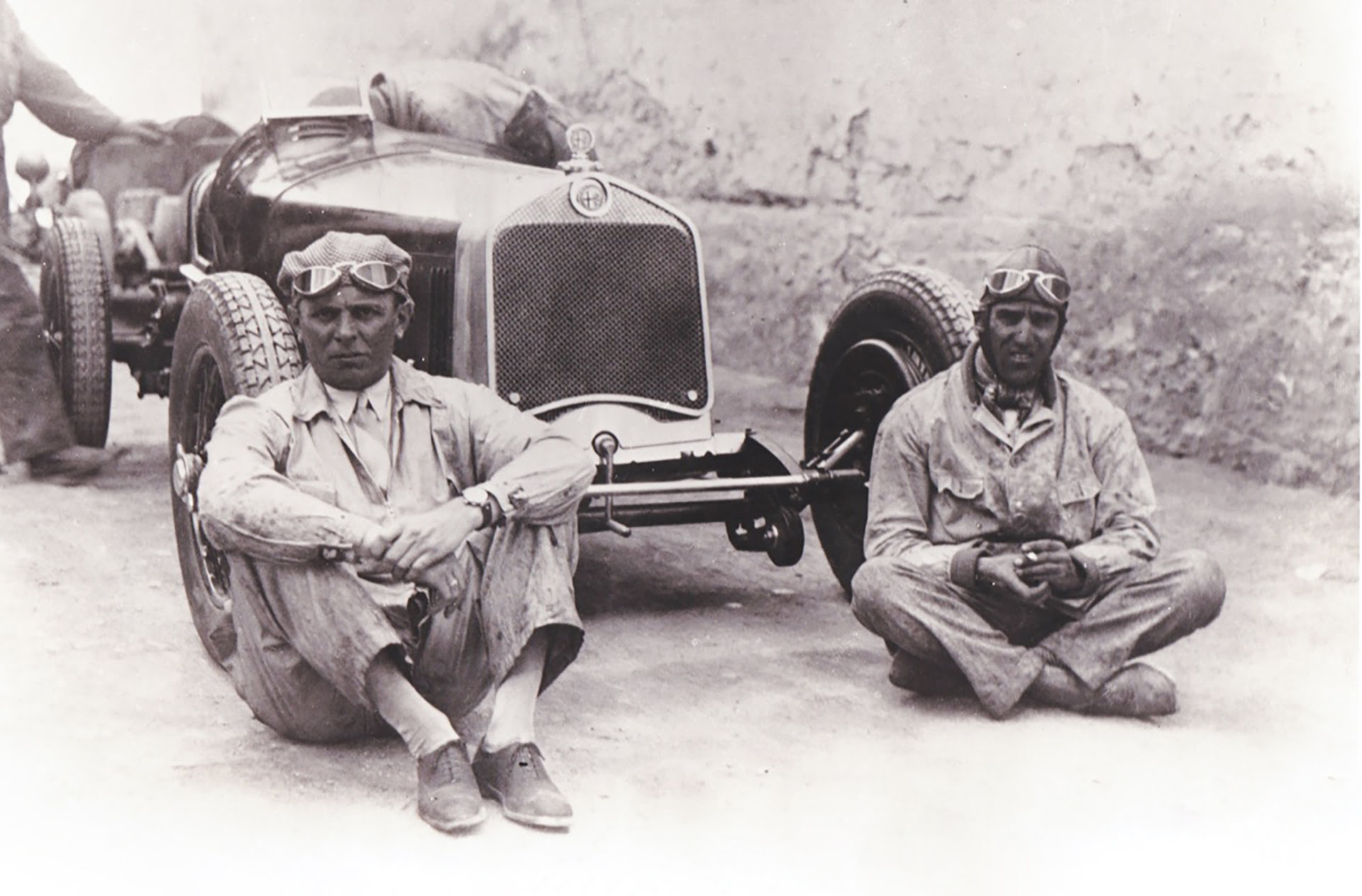
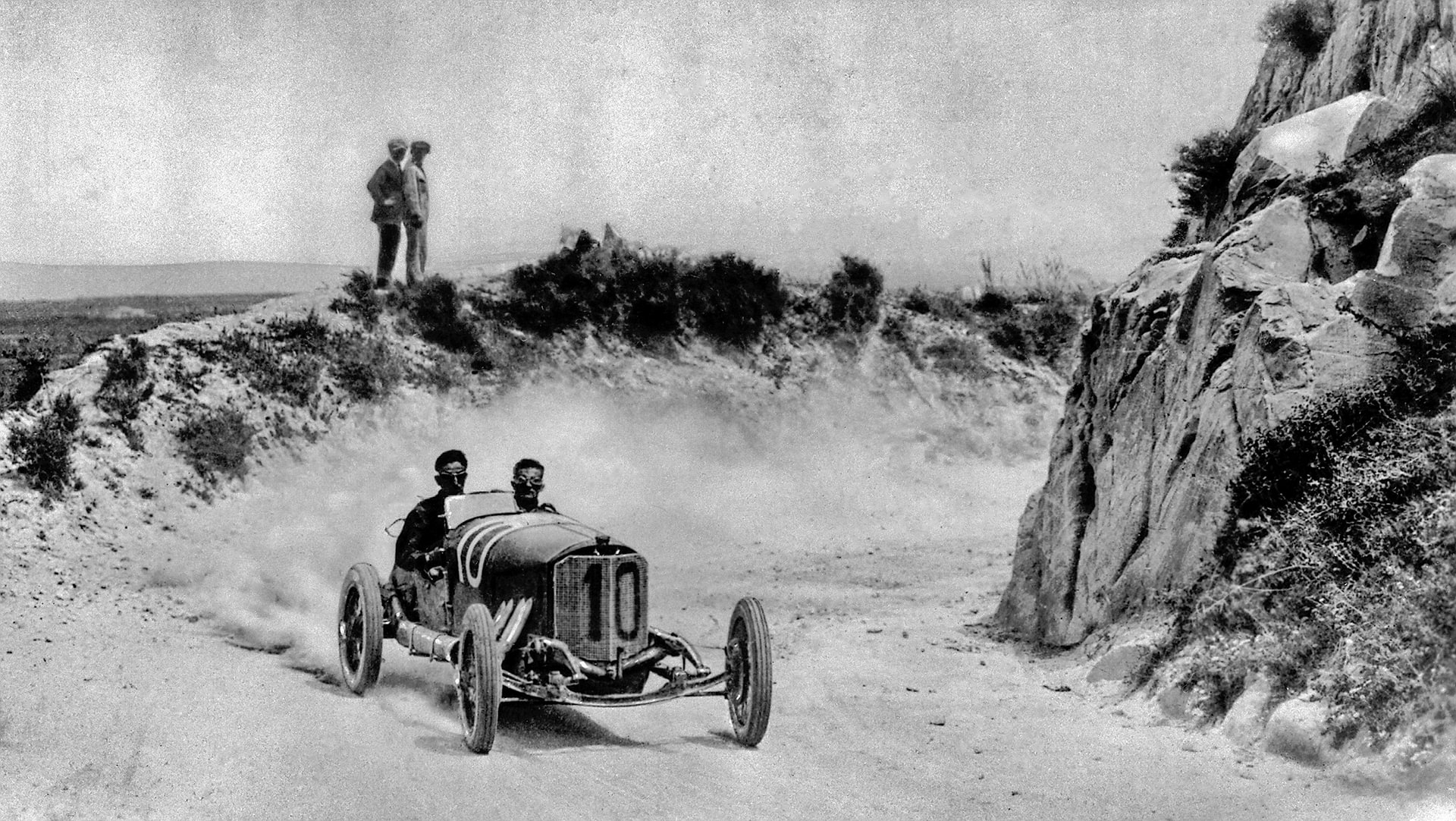
At the 1924 Targa Florio, Mercedes 2-litre driver Christian Werner and his mechanic raced for six hours and thirty-two minutes, winning with only goggles and without even a cap. The Sicilian climate lends itself to walks in this style. But that day was a tough and dangerous race, heroically tackled by the protagonists. On the other hand, many of the photos of Enzo Ferrari as a driver from the same period show him with his Alfa Romeo, bareheaded or wearing an unlikely cap. Then came a rapid change: with the habit of wearing cloth caps fastened under the chin and goggles to be lowered at the start, a precise style was established. As we mentioned last week when talking about feet and shoes, today we are talking about the heads of those who have raced over the last hundred years.
When we think about our heads, we all worry about protecting them as best we can in case of need or danger. This is nothing new: the Achaean warriors of ancient Greece already took this precaution, and since then, the endless history of wars has seen the development of increasingly safe and protective headgear. However, motor racing, perhaps also under the psychological influence of the Futurist Movement, which promoted the domination of the car by man, largely neglected the opportunity to seriously protect the head during races in the pre-war period. The great champions, Nuvolari to name one legend, gradually switched to leather headgear, sometimes padded, but always lacking any real protective effectiveness.