Cars
Ferrari’s Technological Innovations Part 12: The Dawn of the Turbo
Ferrari revolutionized Formula 1 and road cars by introducing turbocharged engines, achieving Constructors' Championships in 1982 and 1983 with groundbreaking innovations.

For Enzo Ferrari, the engine was always paramount, as he had proven starting with his first: the 1500 cc V12 in 1947. For those who might argue that Ferrari's real first engine was for the Auto Avio Costruzioni in 1940, we confirm this and highlight its brilliance. Thus, it’s no surprise that the 1966 Formula 1 regulation, allowing either a naturally aspirated 3000cc engine or a supercharged 1500cc one, intrigued him. However, the challenge came in July 1977 when Renault unveiled its 1500cc turbocharged single-seater at Silverstone. What seemed eccentric—high power but fragile—was an opportunity in Enzo Ferrari's eyes: to attempt it and win. Renault’s success suggested a promising path.
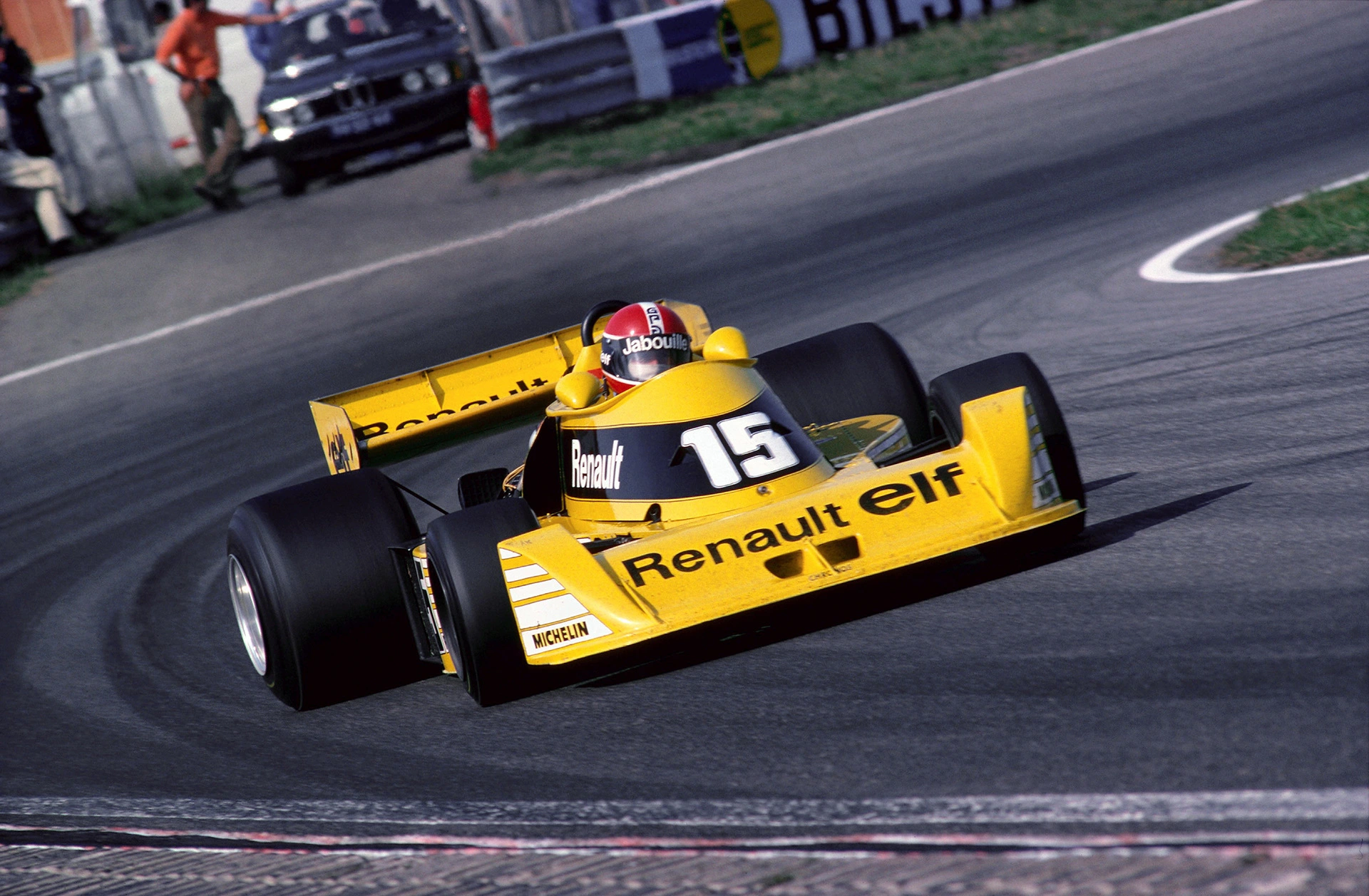
The French chose turbocharging to minimize energy loss, as the turbine operated using exhaust gases. Enzo Ferrari took a different path, attempting to revive mechanical supercharging, which reduces turbo lag. This system was developed with Swiss company Brown Boveri, utilizing a belt-driven Comprex supercharger connected to the crankshaft. The 6-cylinder V-engine, named 126 CX in this version, improved throttle response but suffered frequent belt failures. Ferrari simultaneously developed a twin-turbo version, the Tipo 021, installed in the 126 CK single-seater.