Cars
Ferrari’s Technological Innovations Part 9: 1972. Spazzaneve and the Ground Effect
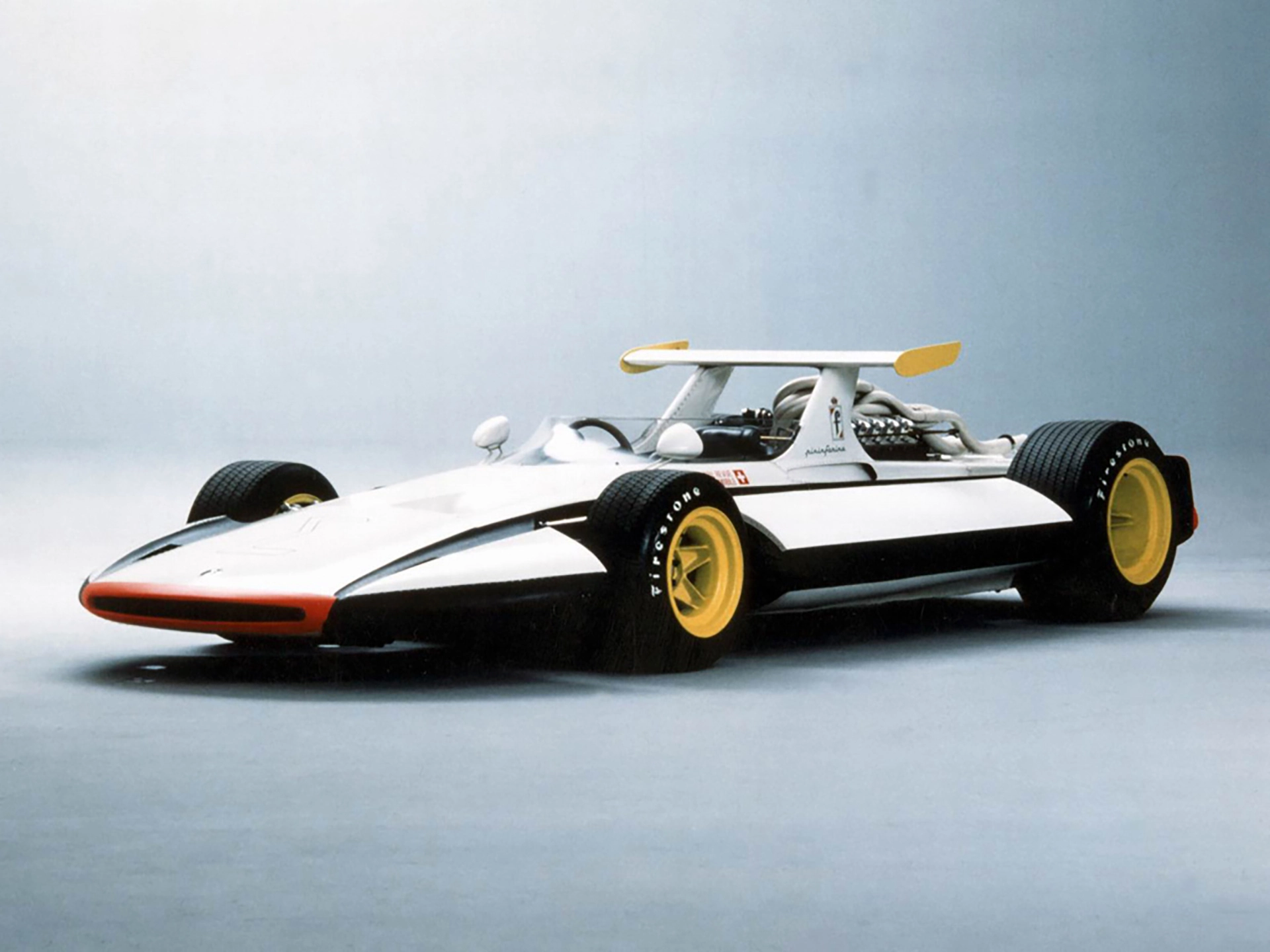
Ferrari’s 1972 “Spazzaneve” prototype explored the groundbreaking ground effect concept. Mauro Forghieri’s study led to the dominant 312 T in 1975, marking a revolution in aerodynamics.

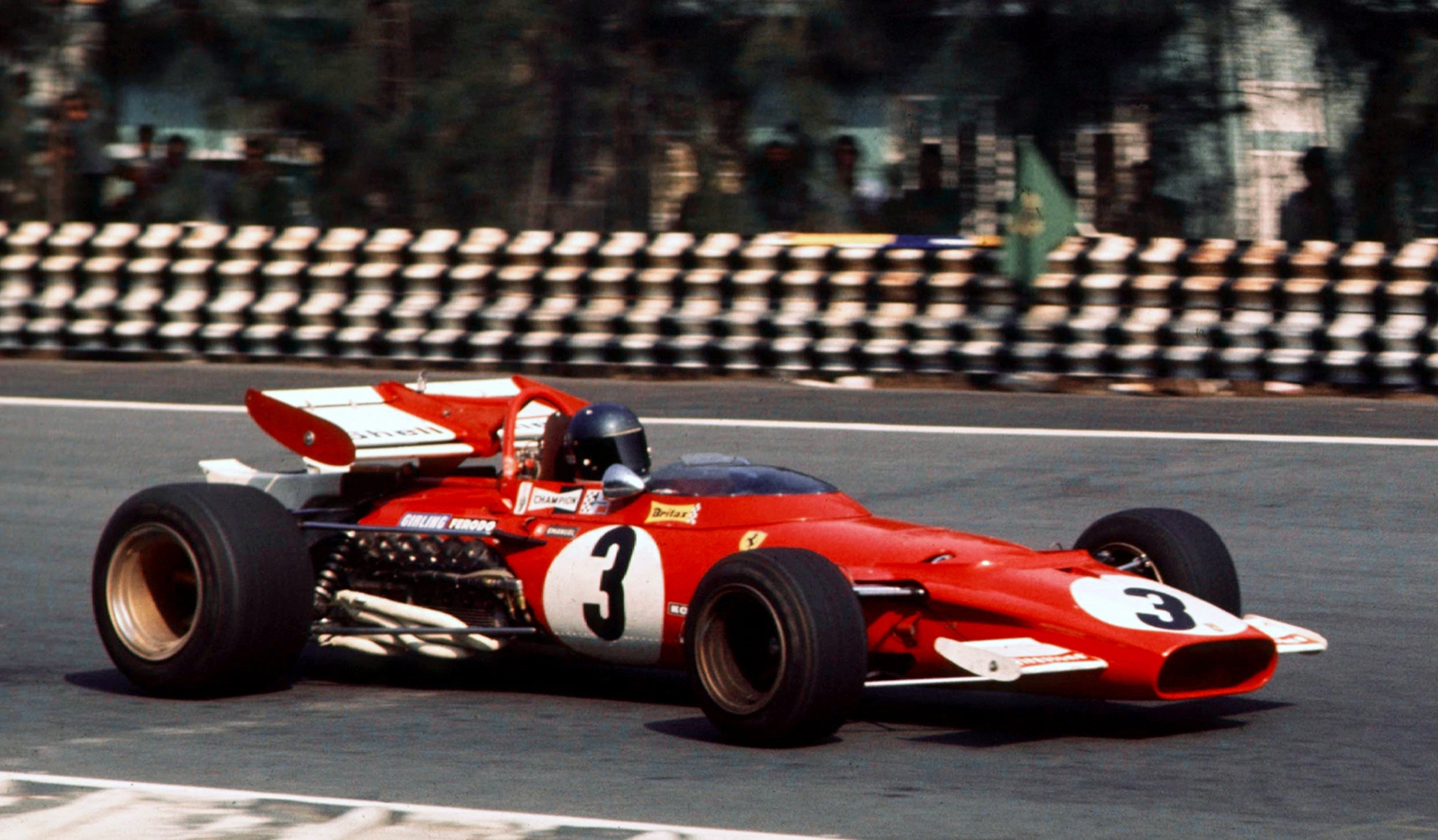
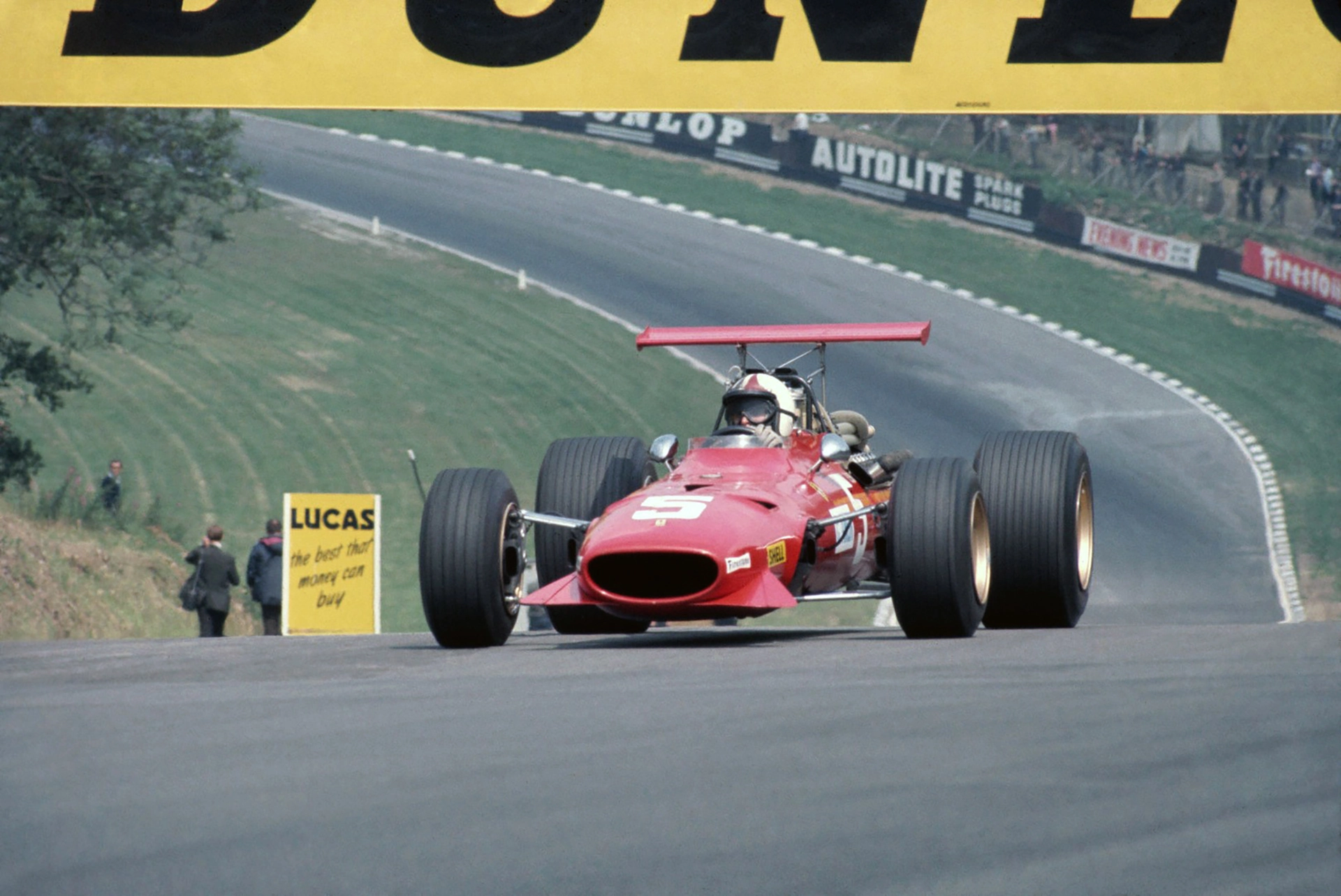
Recent Formula 1 seasons have shown how critical a large flat surface (the so-called floor) is for optimizing airflow close to the ground. In the early 1970s, single-seaters were designed to be narrow for better air penetration, with downforce achieved through aerodynamic wings and fins, as we’ve seen before (click here to learn more). However, Mauro Forghieri, Ferrari’s brilliant chief engineer, noticed an unexplained phenomenon: with the same 312 B 3-liter 180-degree engine, the 312 PB dominating the World Sportscar Championship was aerodynamically much more efficient than the Formula 1 single-seater.
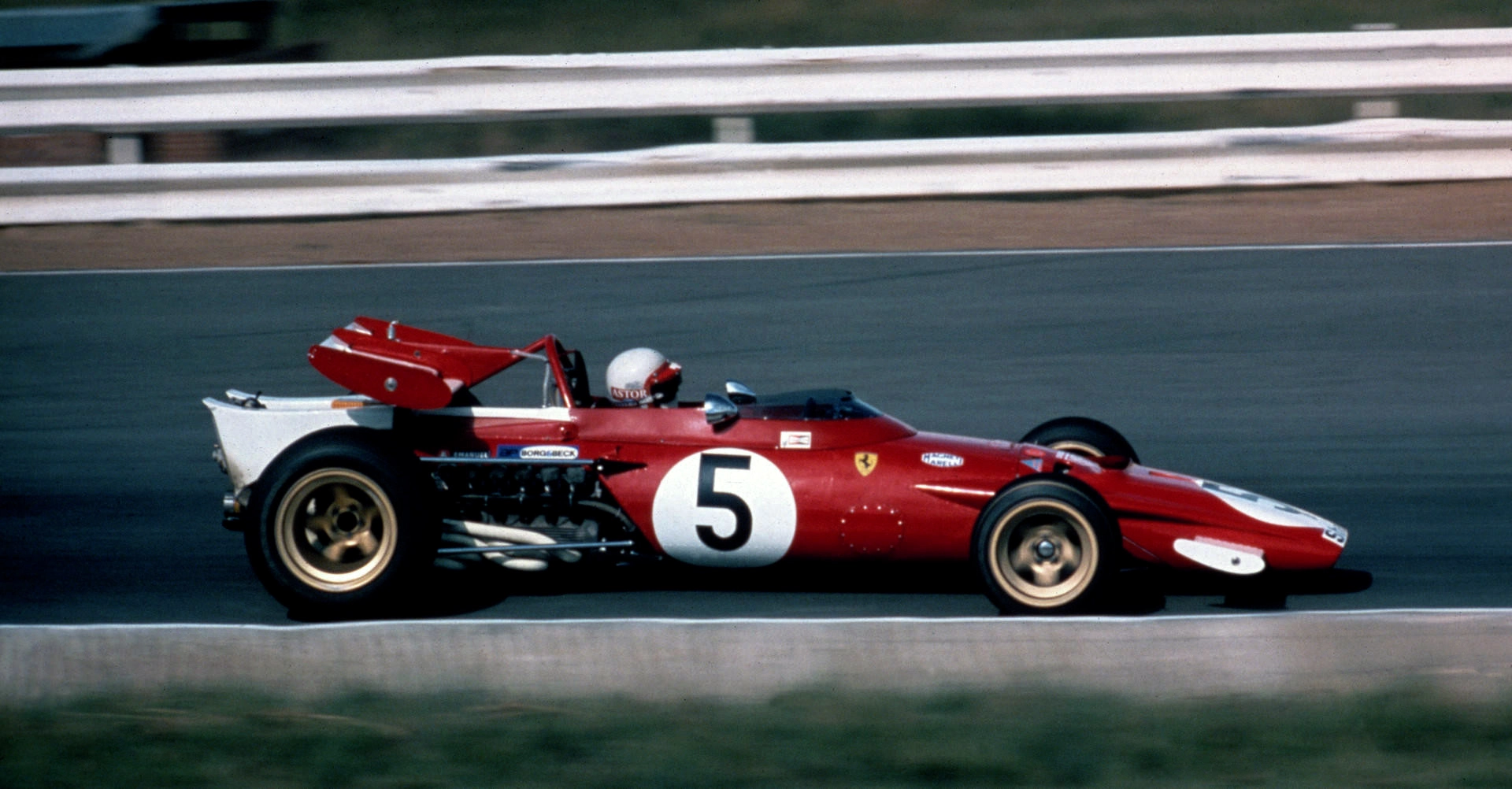
As a technician, Forghieri decided to study this phenomenon. At the time, Maranello didn’t have a wind tunnel capable of providing comparable data under consistent conditions. Forghieri’s team moved to Stuttgart, using the wind tunnel at Mercedes and Porsche’s university, to compare the two cars’ efficiency. The results were clear: the PB sportscar, with its wide underbody, was significantly more efficient than the single-seater.