Collectors & Aficionados
eFuels Give Classic Cars a Future
A complete ban on combustion engines within the EU after 2023 is off the table after tough disputes between Brussels and Berlin.

A complete ban on combustion engines within the EU after 2023 is off the table after tough disputes between Brussels and Berlin. As an alternative to the exclusive electrification of individual transport, eFuels can thus be used in combustion engines - provided the fuel is produced in a climate-neutral way. This is good news for classic cars: the engines of automotive icons from the 20th century can be operated with eFuel without restrictions. In this dossier, we present the opportunities that eFuels open up for classic cars.
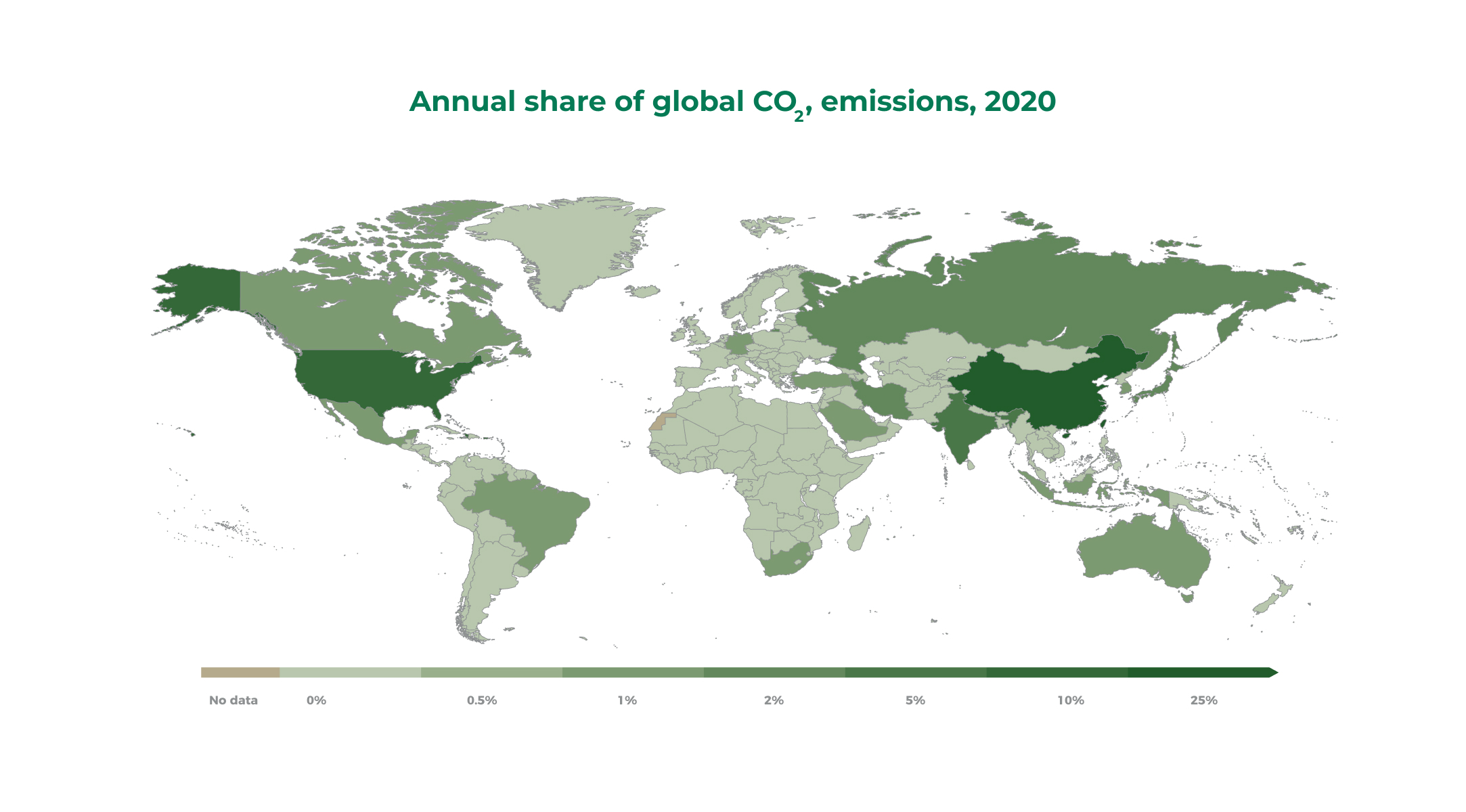
Mobility, energy and climate are central challenges for mankind today. They are manifested in global warming and the efforts of industry, science and politics to limit the temperature increase to 1.5 degrees by reducing global CO2 emissions compared to pre-industrial times. Road traffic worldwide is responsible for almost twenty percent of global CO2 emissions from the burning of fossil fuels. Reducing this figure is a central concern of the global automotive industry. This is being achieved through the development of ever more fuel-efficient combustion and hybrid engines, new (electric) drive systems, and synthetic and biological fuels. If classic cars want to remain on the roads in the future, the development of climate-neutral fuels that are compatible with conventional combustion engines is crucial. This is what this dossier is about: eFuels that can also give Classic Cars a future on the roads.