Cars
British Roadsters: Pure and Uncompromising
From the Lotus Seven to the Austin-Healey 100, discover the marques that defined the golden era of the British open sports car.
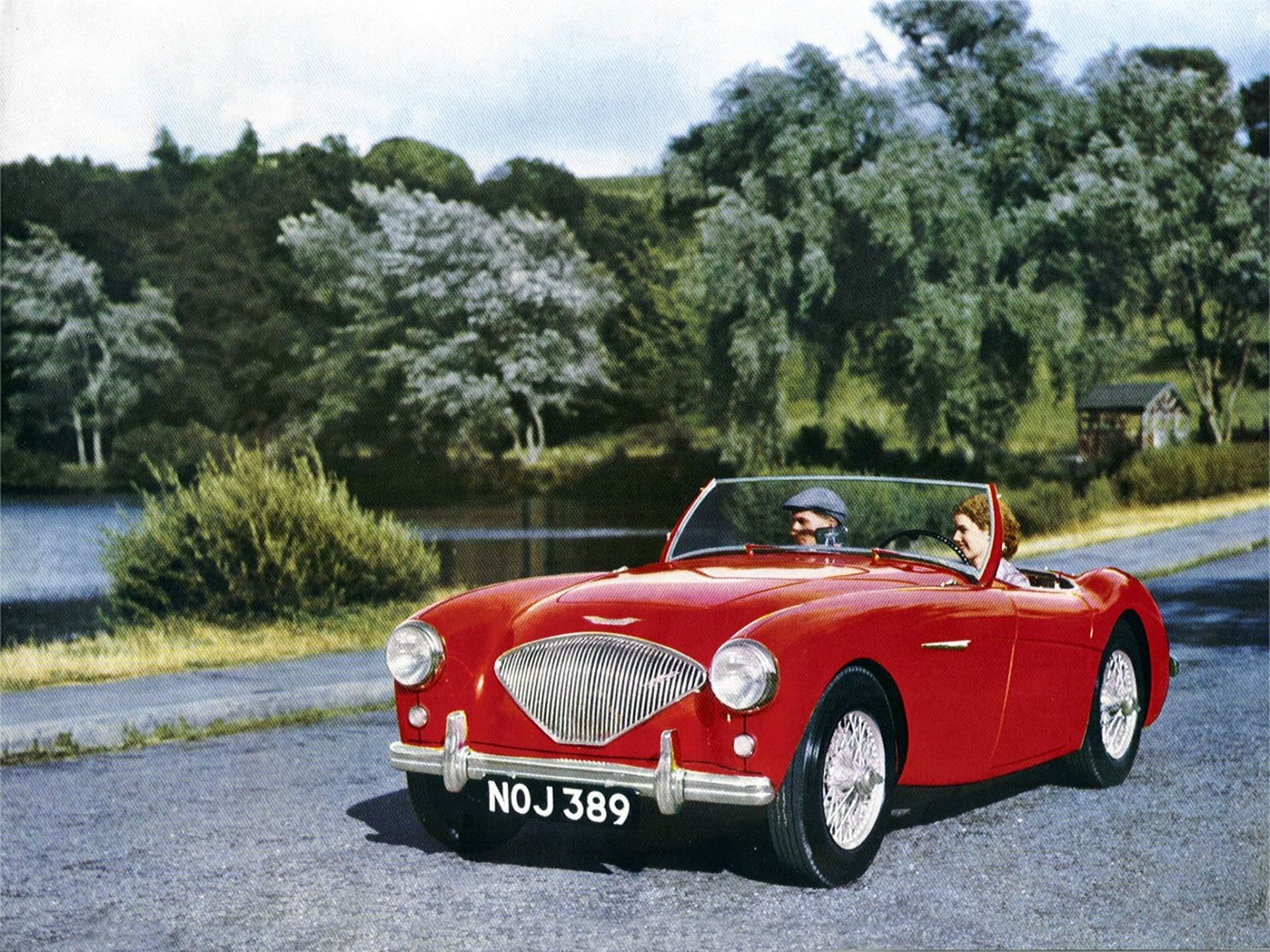
In the 1950s, England interpreted the concept of the open sports car by bringing together a simplicity that was at times almost spartan, a severity in the driving position and in the relationship with the steering wheel and gearchange that belonged to a true racing car, and a hood arrangement that seemed designed to discourage anyone from using it. If you want a British sports car, whatever the weather, enjoy it pure and uncompromising. All of this at costs that were not prohibitive, giving many the chance to feel like daring drivers – not so much on a circuit, but on the narrow, winding roads drawn precisely for compact, responsive cars stripped of everything not strictly necessary.
The result was a generation of sports cars capable of offering authentic sensations to a far wider public than that of the great luxury machines. Jaguar and Aston Martin represented the more refined and prestigious face of British industry, but the myth of the British roadster was born above all thanks to marques such as MG, Triumph, Austin-Healey, Morgan, Lotus, AC, and Sunbeam, which brought essential, always recognisable automobiles to the road – defined by character and driving pleasure.
Each interpreted this philosophy differently. Morgan remained tied to the most archaic craft construction, Lotus eliminated every superfluous element to shed weight, Triumph relied on a rough-hewn robustness, MG on the simplicity of tradition, Austin-Healey united elegance and performance, while AC and TVR explored more extreme and unconventional solutions. More than seventy years on, these roadsters continue to represent one of the purest expressions of the sporting automobile, because they recall an era when having fun required not hundreds of horsepower, but a light car, an open road, and the willingness to carry on even when the rain began to fall.