Stories
Collectors & Aficionados
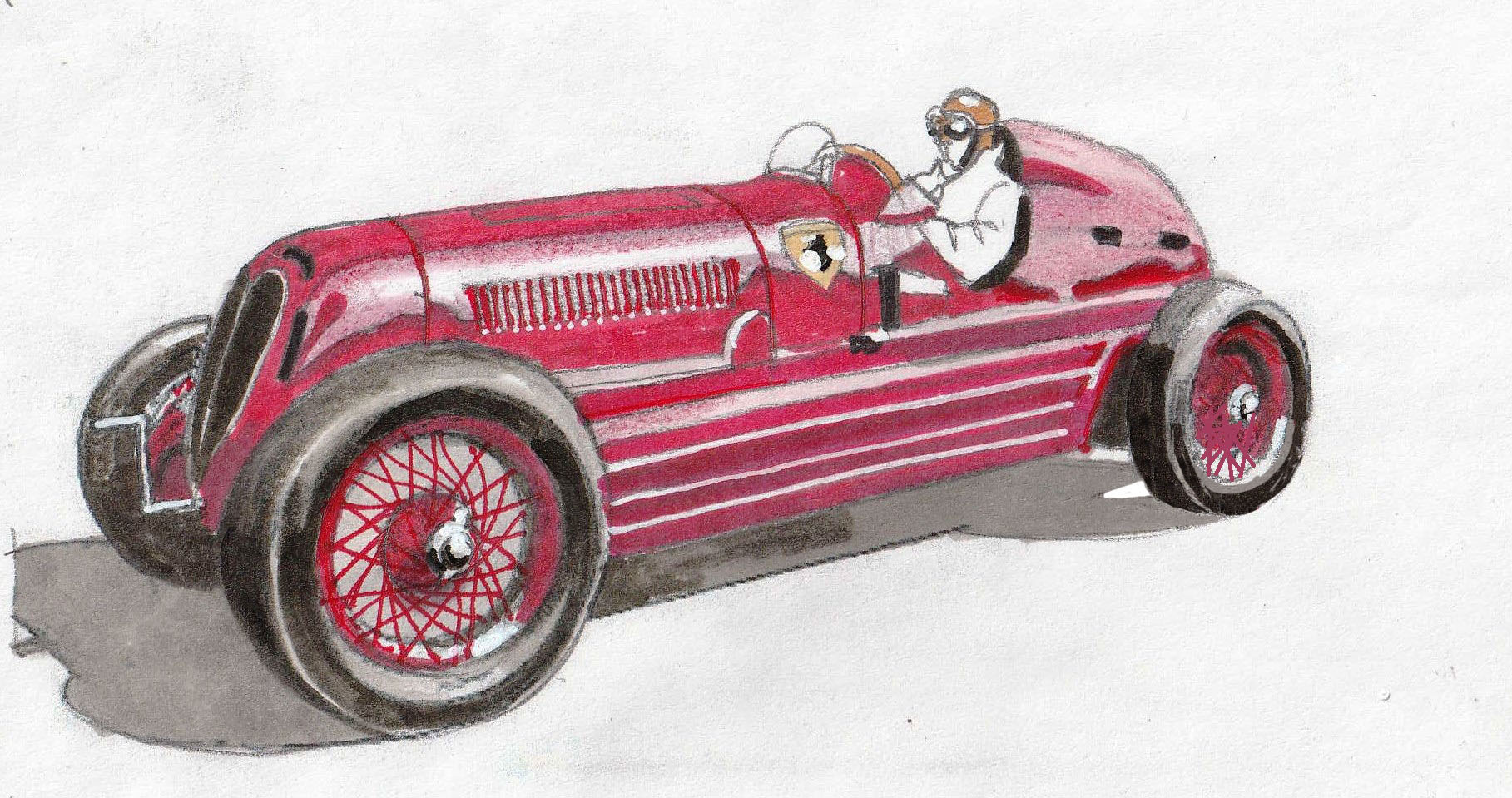
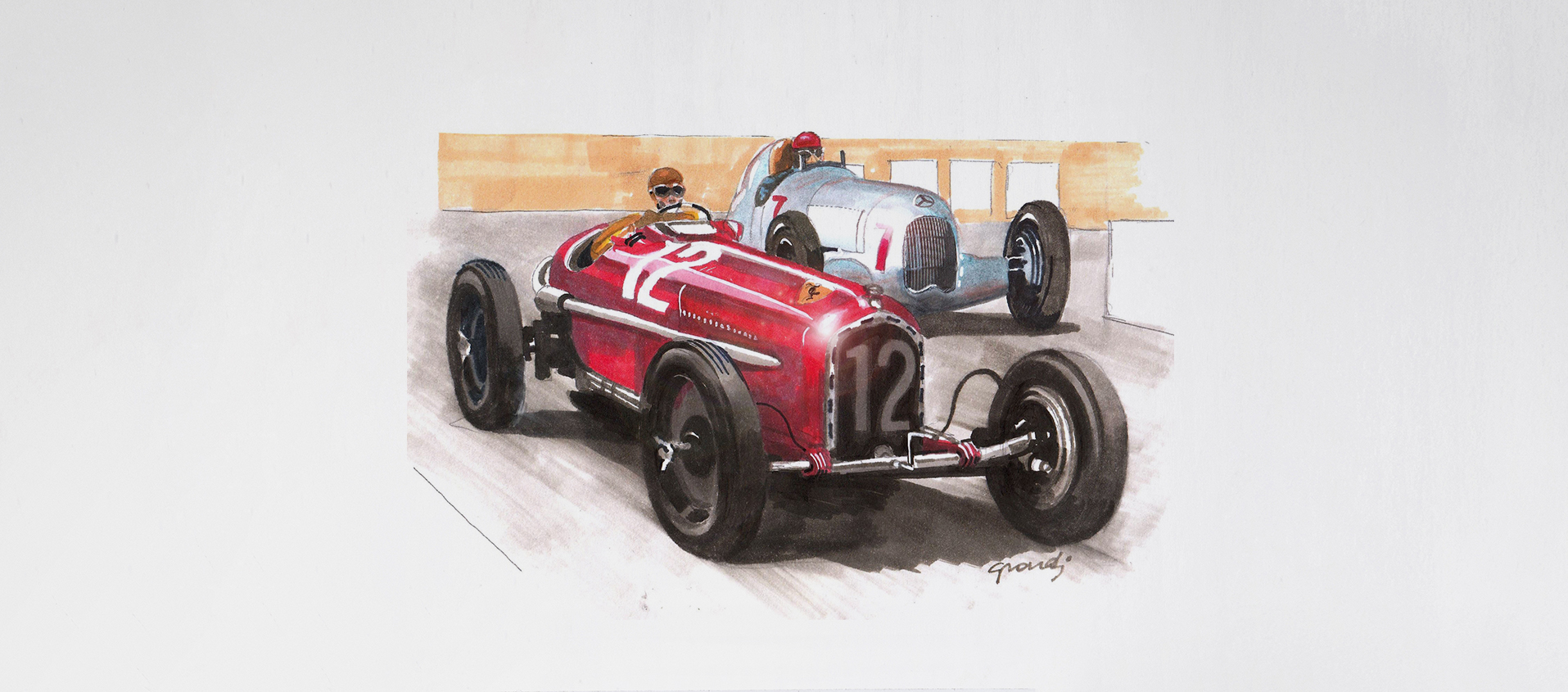
Bimotore and 158. Enzo: making a virtue out of need. The Scuderia became a manufacturer to try to stop the mighty Germans
This article discusses the challenges of complying with car regulations in the 1930s, which set a minimum car weight that was also the maximum.

Grand Prix car regulations set a minimum car weight to ensure excessive lightening doesn’t compromise safety. It’s no easy task to comprehend the regulations from the 1930s where the required weight of 750 Kg was also the maximum. That’s right, the maximum.
In those conditions, with the freedom to use engines of any displacement and power, the tendency was to make lighter cars and allocate the remaining available weight to the engine that had to be as powerful and prodigious as possible.