Art
Art for Advertising: Federico Seneca, Drawing Speed
Four posters, four years – and a question that united chocolate and motorsport: how do you reduce a sensation to a single image?
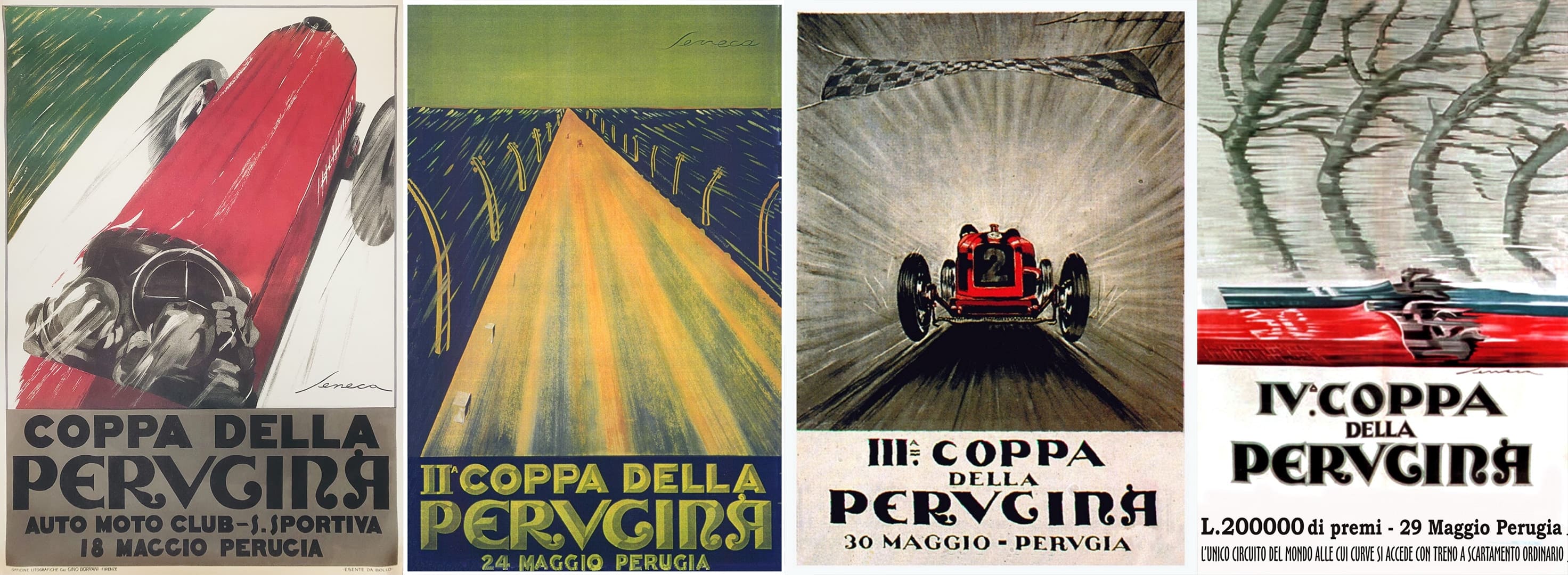
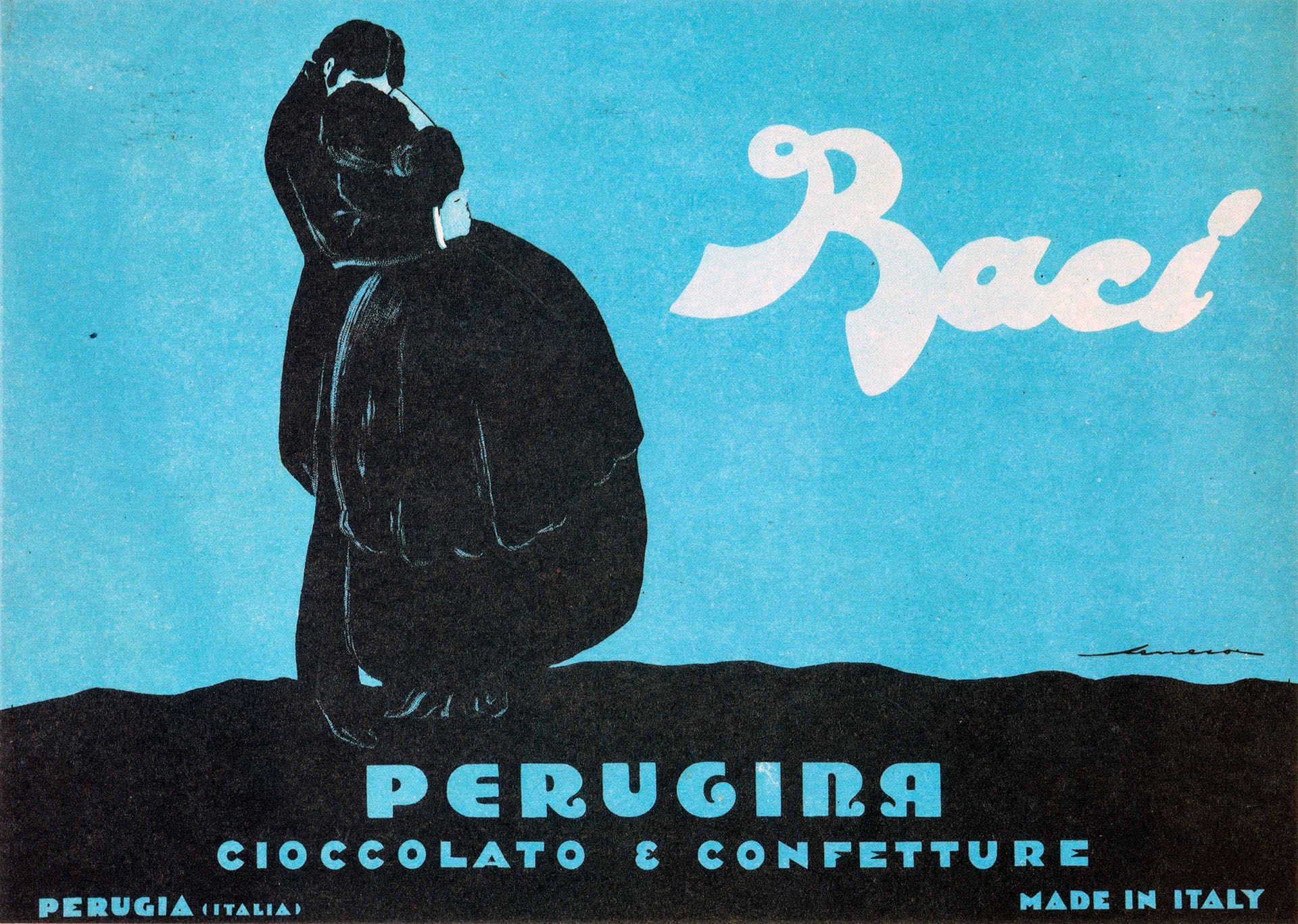
How do you draw speed? Federico Seneca had four years and four posters to find the answer. After studying at the Regio Istituto di Belle Arti di Urbino, the young Seneca, possessed of a sure talent, was taken on by the prominent chocolate manufacturer Perugina, becoming head of its advertising office. His artistic gifts are preserved beyond the world of the automobile as well: one of the company’s most recognisable images is his own – the two lovers united by the sweetness of Baci Perugina. Such was the force of his creativity that in 1924 Giovanni Buitoni, the company’s managing director, entrusted him with an entirely different subject: Perugina had chosen a motor race – called, precisely, the Coppa della Perugina – as a vehicle for its own publicity. What was needed were posters that, year after year, would reinforce the bond between the brand and the emotion of competition. Seneca produced four posters between 1924 and 1927 that, observed in sequence, read as a sustained attempt to represent a car in motion. For the first edition in 1924 Seneca chose a spectacular vantage point: the car is seen almost from above, the driver at its centre and the tricolour woven into the composition. The road nearly disappears; what remains, above all, is the sensation of the race and the driver’s daring.
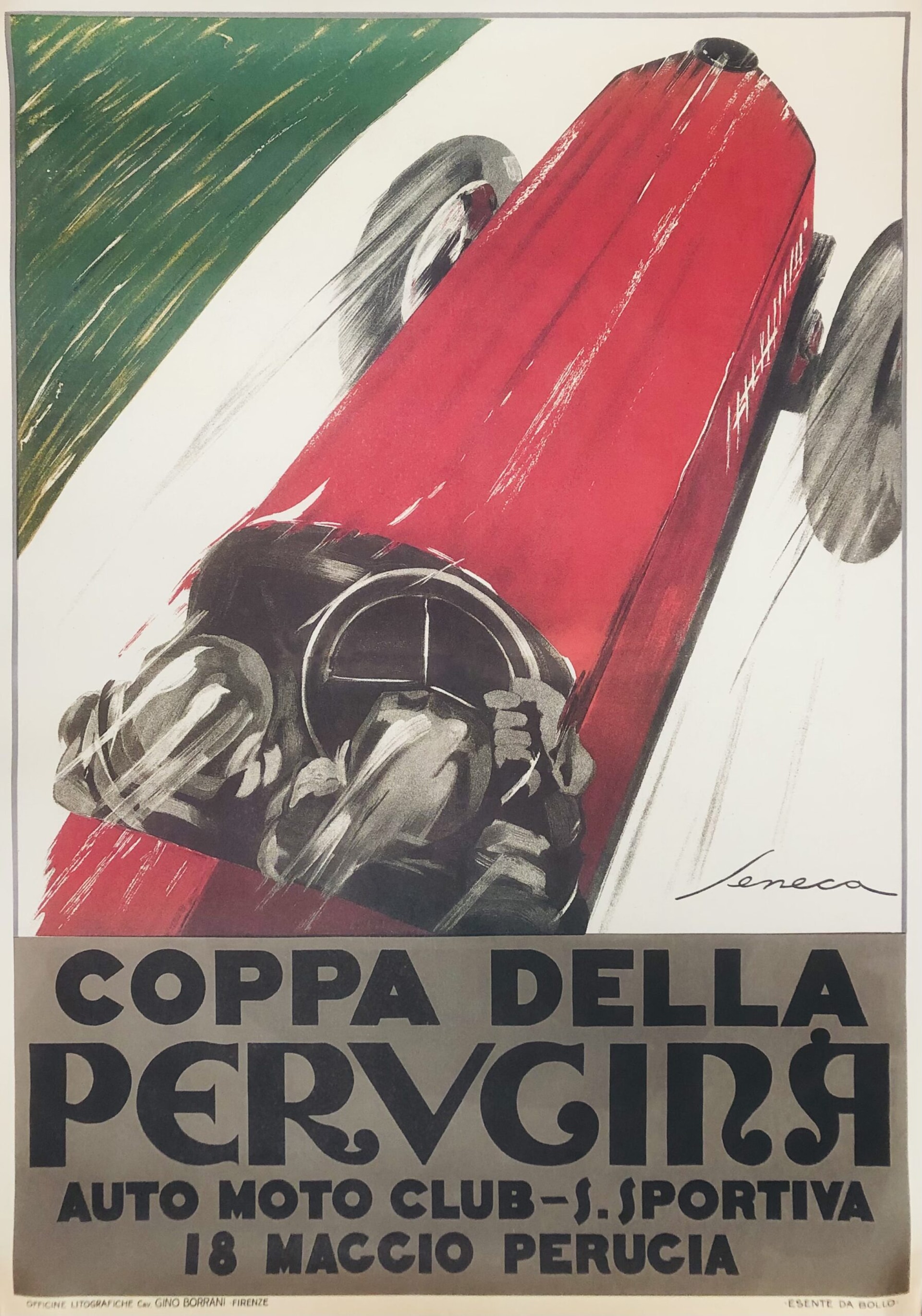
The following year he changed perspective entirely. In the poster for the II Coppa della Perugina of 1925 the road recedes before the viewer, while cars and telegraph poles appear to be pulled along by the movement. Seneca is no longer simply trying to draw the cars – which here have almost vanished – but to make their speed felt, and to show the effect it creates.
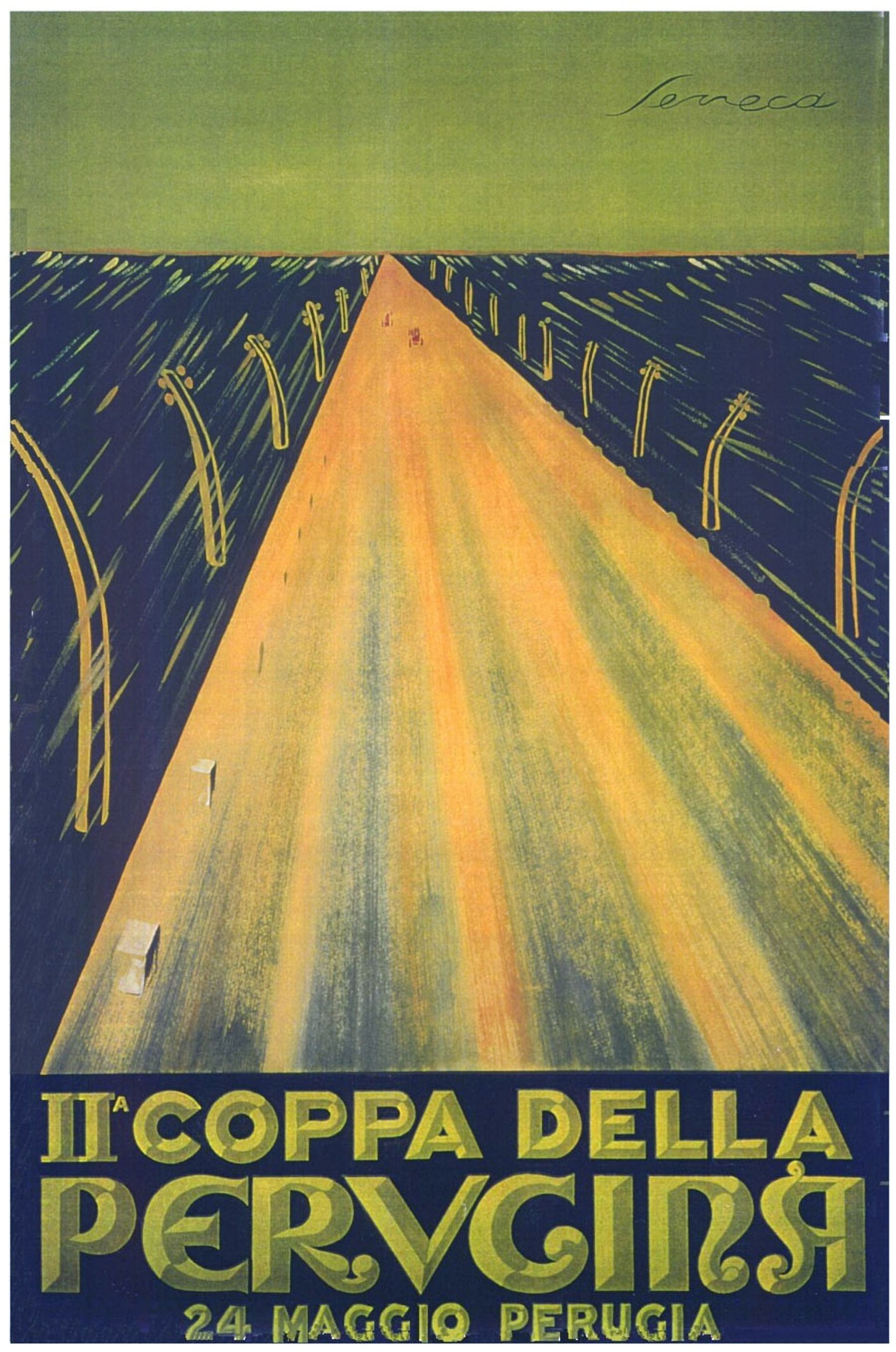
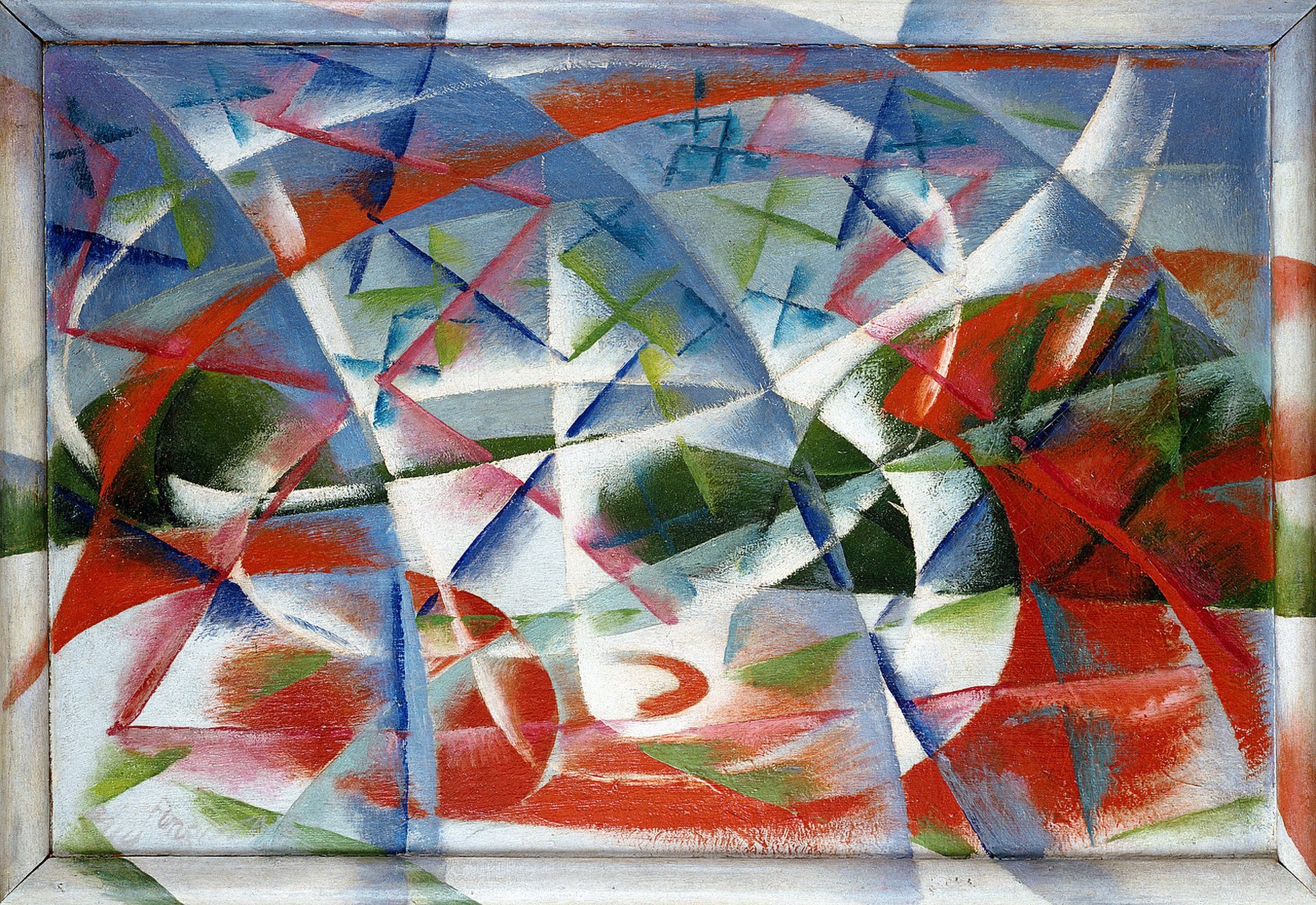
It is no coincidence that this series brings his visual language closest to Futurism. Treccani notes how the Coppa della Perugina posters show the influence of Boccioni’s research and of the Umbrian Futurist milieu around Gerardo Dottori: unusual vantage points, optical distortions, and colour are all deployed to resolve, graphically, the problem of dynamism.
In 1926 Seneca chose the decisive moment of any race: the finish line, compressing the entire contest into a single instant – the one in which speed and victory become the same image.
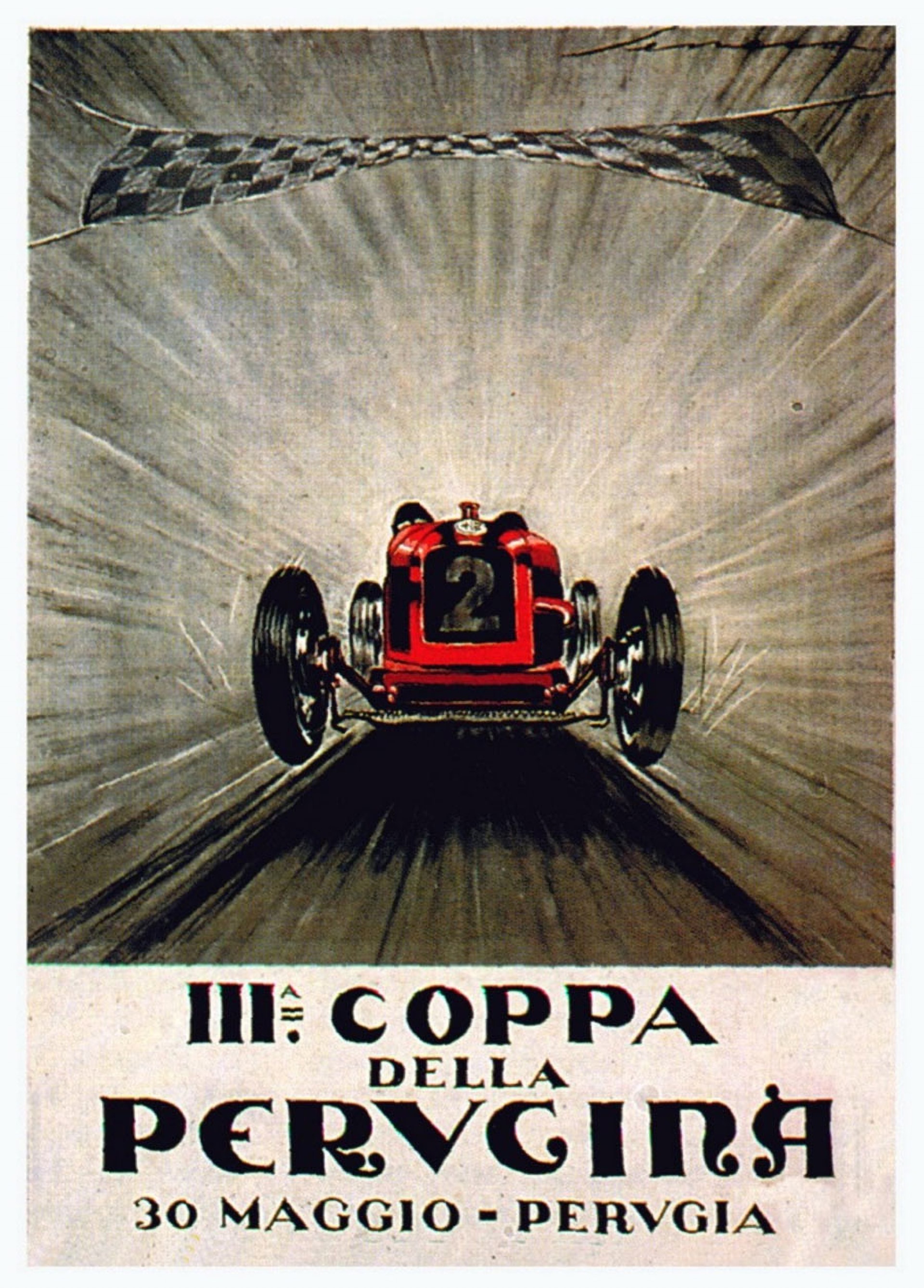
In the poster for the IV Coppa della Perugina of 1927 the cars are now silhouettes launched between the trees. After four years of experiment, Seneca no longer needs to describe the car in detail to make it seem fast. In just four years he moved from the car as protagonist to speed transformed into something approaching pure graphic form.
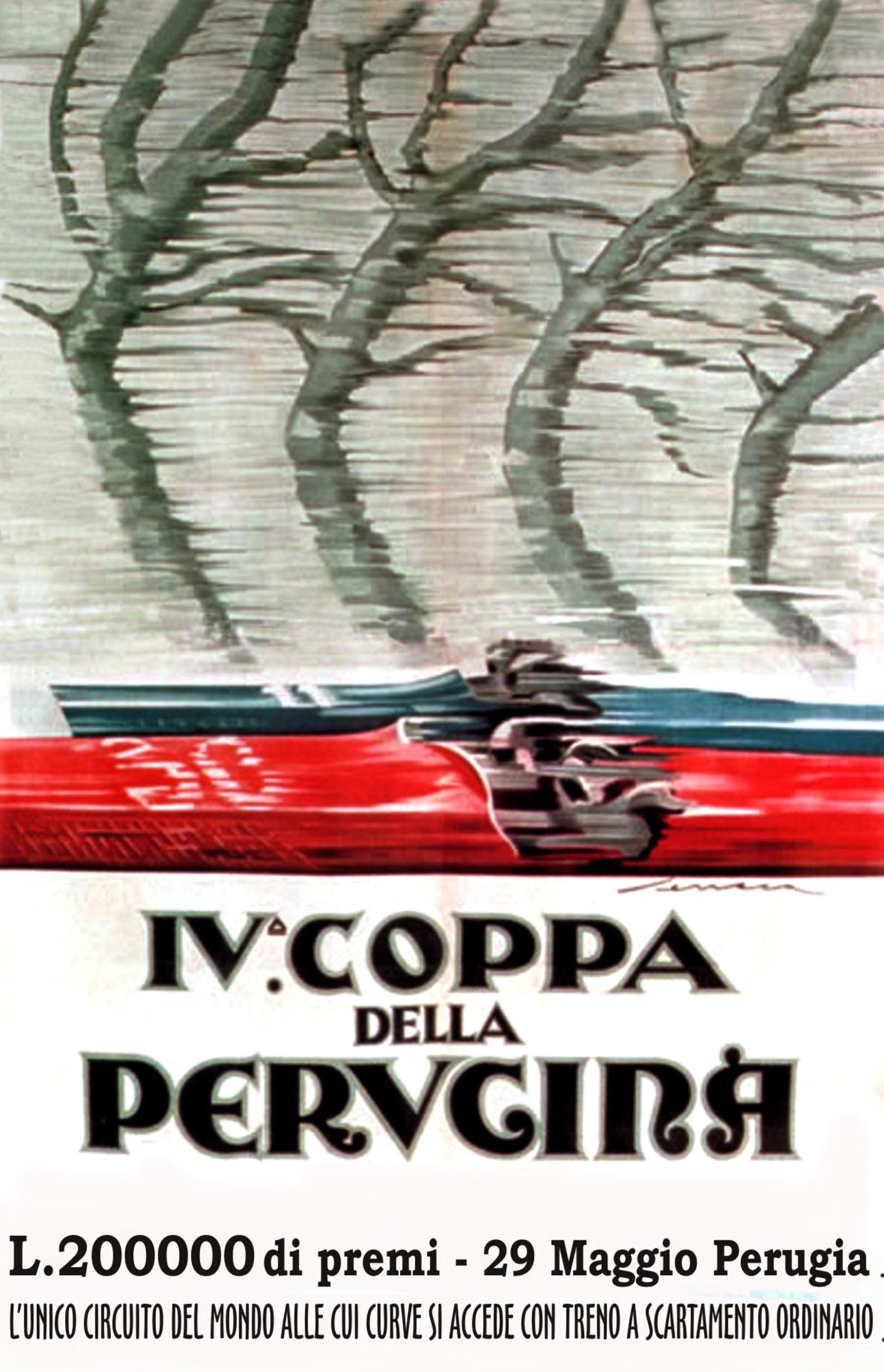
The series remained one of the most distinctive episodes of a career that went on to flourish across Italian advertising. In 1929 Seneca also took first prize at the Mostra internazionale del manifesto di Monaco di Baviera. There is something telling in the fact that the man who became famous for giving Baci Perugina its image was equally capable of conveying cars driven at full speed. Perhaps because the underlying problem was the same: reducing a sensation to an image capable of being understood in an instant.