Cars
A different kind of luxury
The article discusses the risks of including too much innovation in a mass-produced product, citing the example of Tatra, a company that sought to establish its own identity through a unique approach to car design in the 1930s.
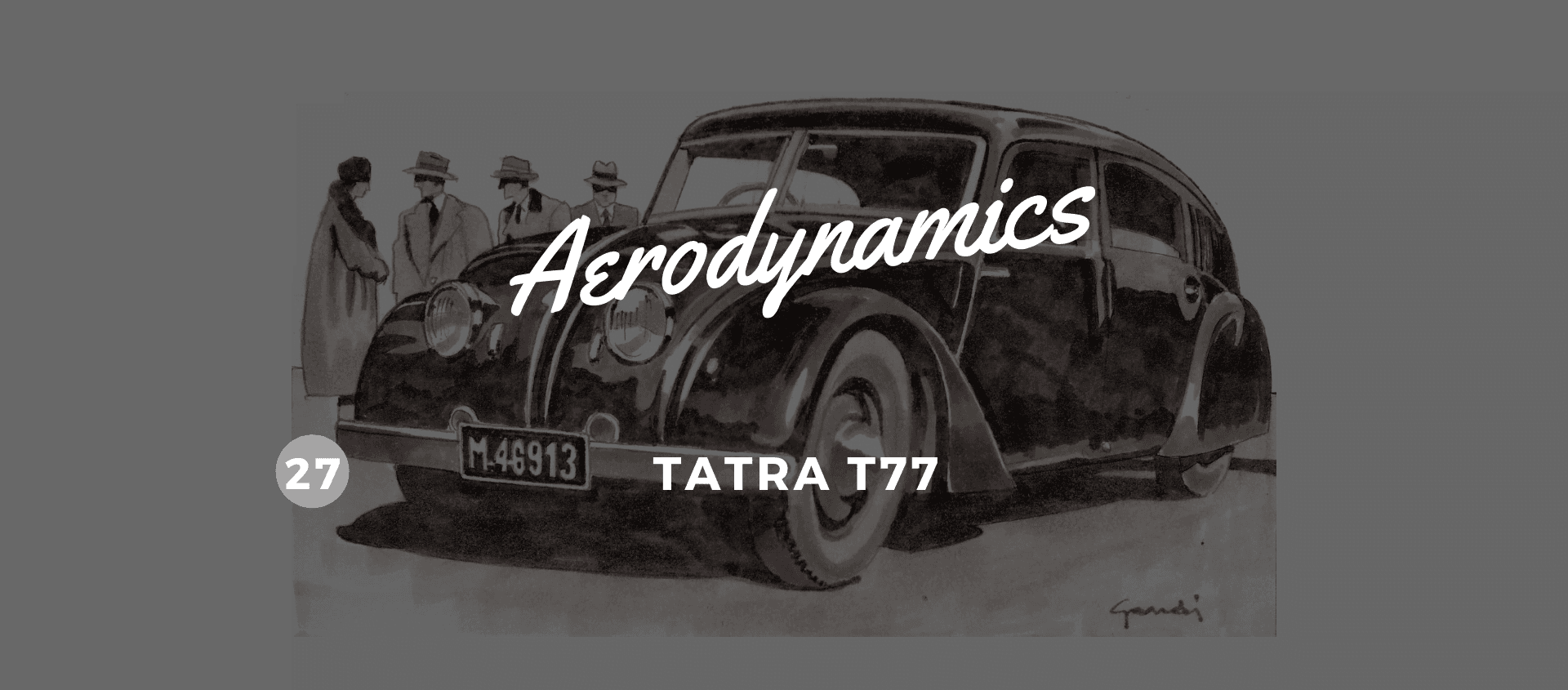
Including too much innovation in a model intended for large-scale production is always a rather risky choice. This is confirmed by what we see today: in fact, cars nowadays are so incredibly similar to each other that we can only tell who made them by checking the brand. Back in the 1930s, the little Tatra from which Ferdinand Porsche drew inspiration (to put it kindly!) for the VW Beetle seemed too ahead of its times, and the company therefore decided to develop the “streamlining”conceptsolely on its higher range models.
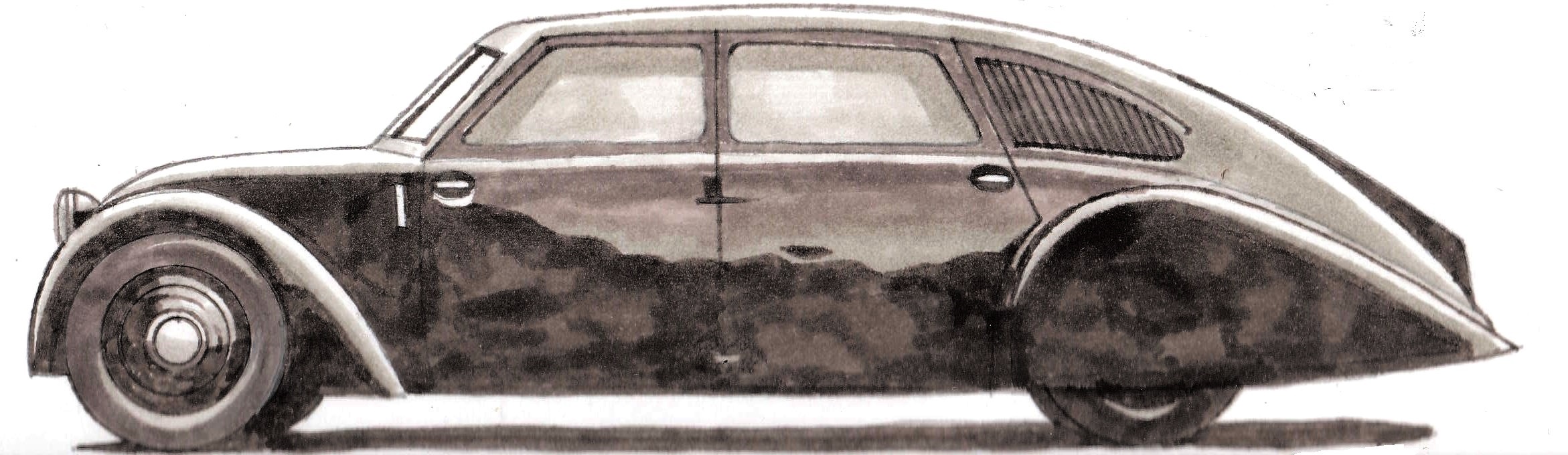 In 1934, Tatra returned to the “all-rear” structure already tried with the VS 10, this time, however, applying the concept to a luxury model. The V8 engine was mounted in the rear overhang.
This was a company seeking to establish its own identity through what was, at the time, a unique approach. A beautiful example is the T77 with the long tail and rear fin. The year was 1934 and Deco style was prevalent, as shown by Bugatti. But there was also a great innovative drive under way. These were the “crazy years”, which turned into a kind of race to exceed, and in this sense, Tatra certainly stood out. It achieved its prominence mainly by combining functionality and a great driving experience with bold solutions, such as large air-cooled V8 engines mounted in the overhang behind the rear axle, so as to leave as much room as possible for the occupants, their luggage and even the spare wheels (Tatras had two of these!).