Cars
Wood? It will return
This article examines the phenomenon of "woody cars" from their origins to their decline in popularity in the 1950s.
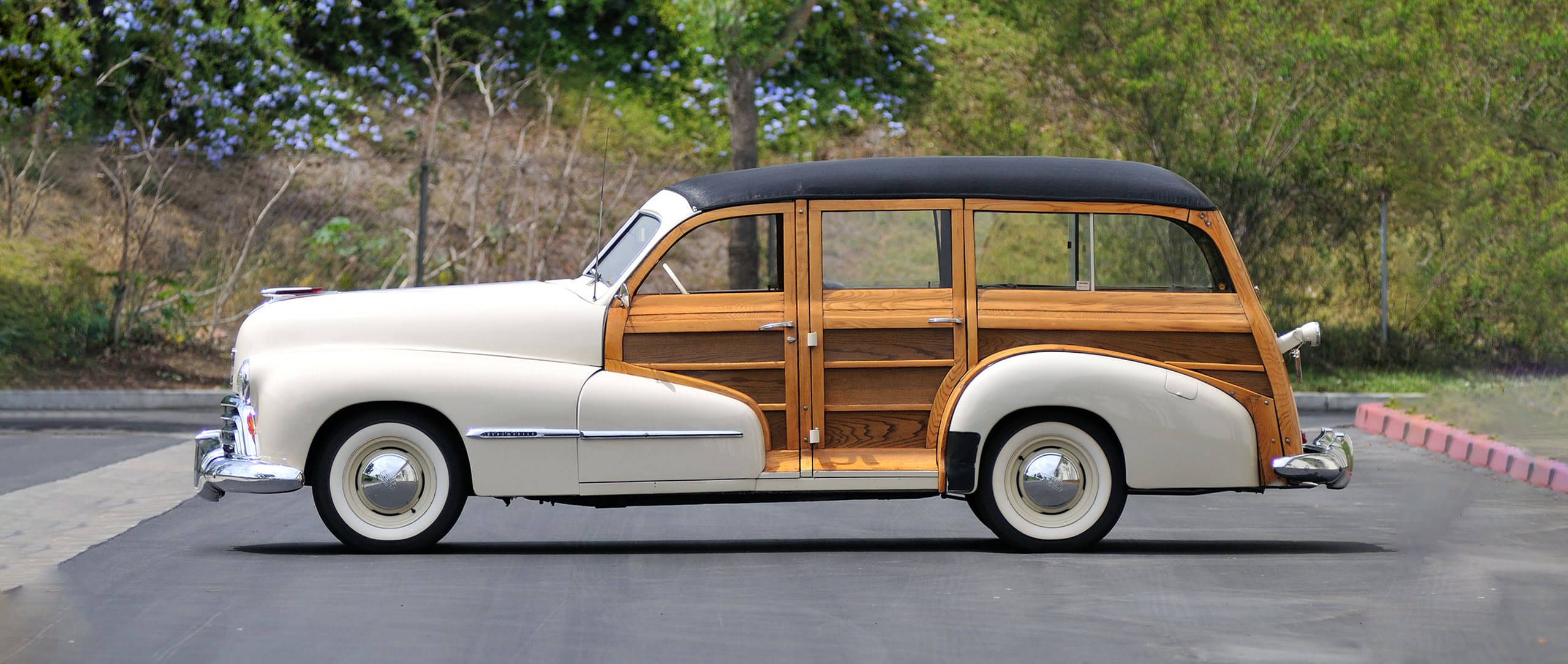
To understand the phenomenon of “woody cars” it's necessary to take a few steps back to the beginning of the last century when the first automobiles, primarily motorized carriages, were commonly made out of wood. Then Henry Ford came along with his mass-produced vehicles made out of steel, but this did not herald the end of wood.
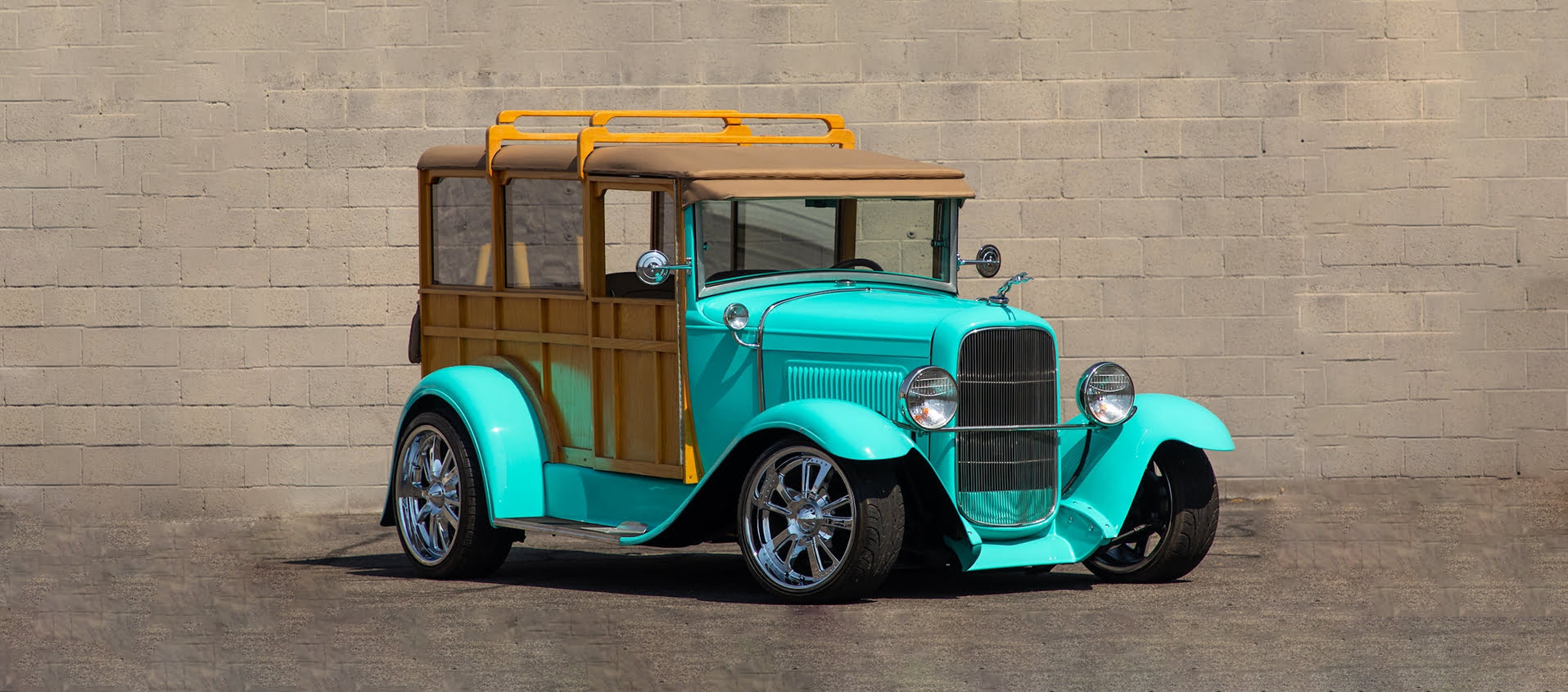
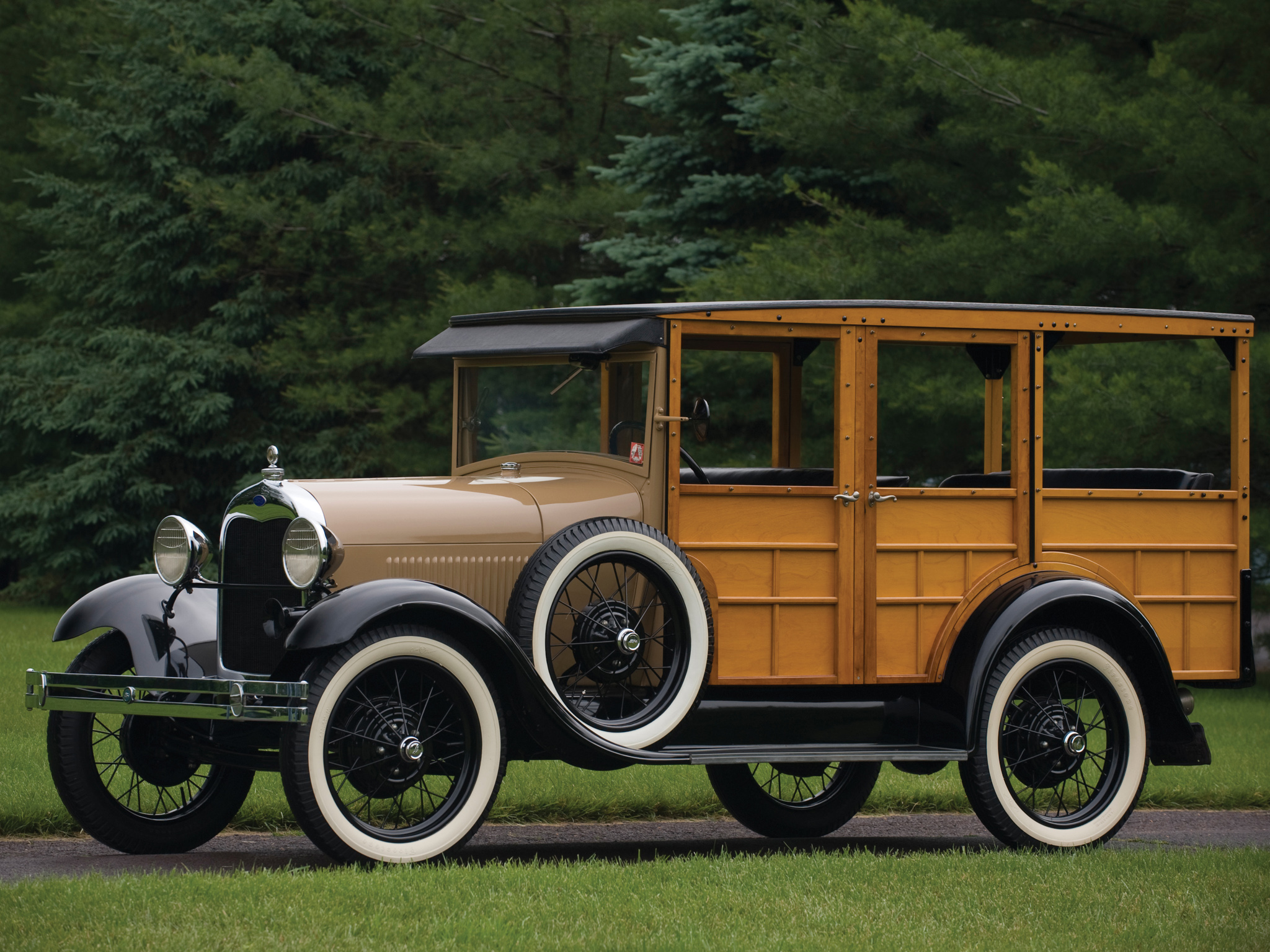 With the Model A Woody during the 1930s, Ford made the use of wood in automobiles fashionable.
Indeed, the first mass-produced “woody” was a Ford, the 1929 Model A, which introduced a style that would last for the next 25 years. Henry Ford firmly believed that wood had a significant role to play in the automobile market, so much so that, in 1936, he bought a vast area of timberland in Michigan's Iron Mountain region, rich in forests and ready to meet the demand for the construction of the body panels, which were then shipped to factories across the country for final assembly.