Collectors & Aficionados
Unforgettable Car Geniuses: Rudolf Diesel
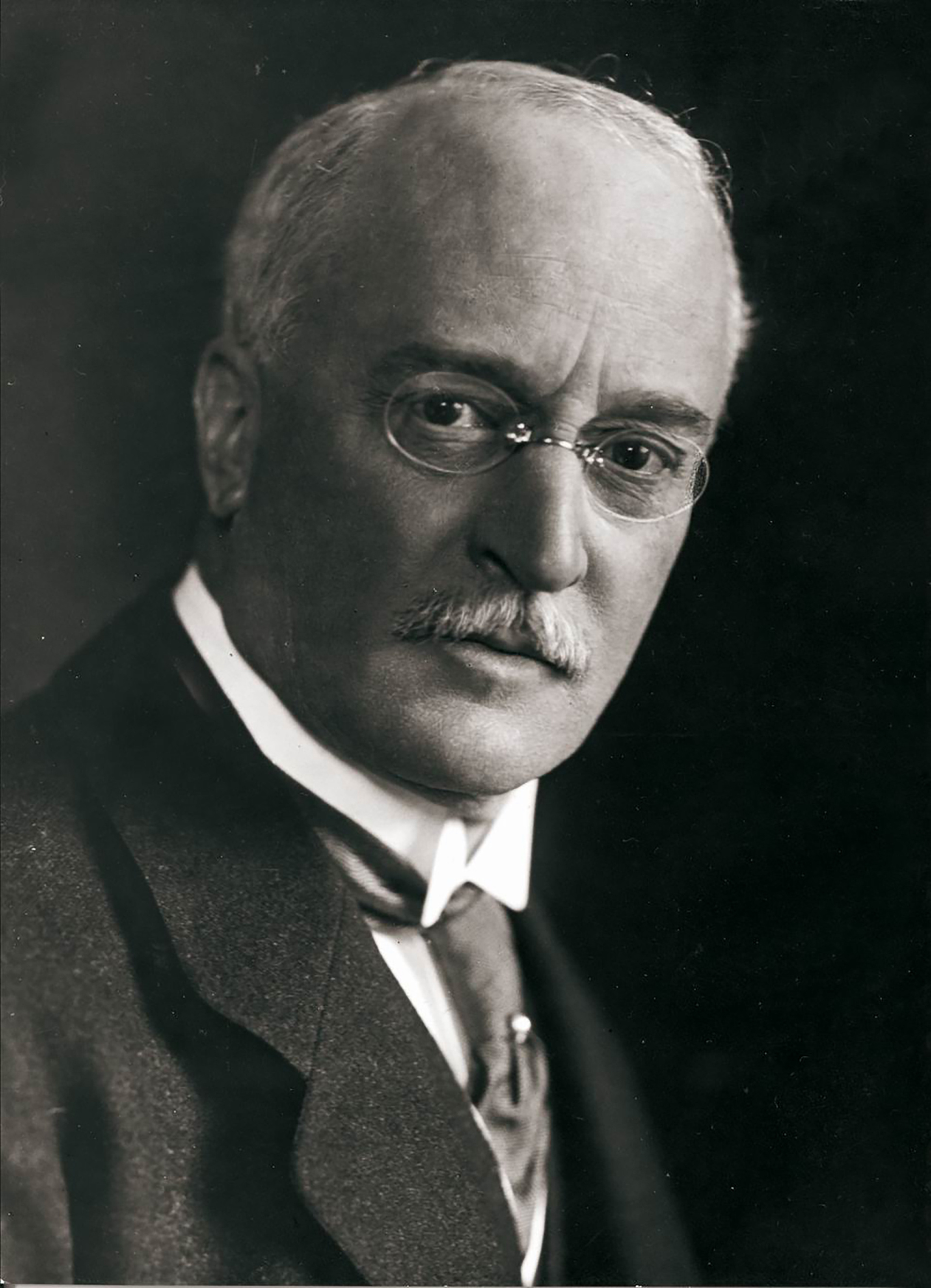
Rudolf Diesel, inventor of the diesel engine, revolutionized transportation. His motor powered ships, trains, and later cars. In 1913, he mysteriously disappeared at sea, sparking theories of suicide or assassination.

On October 10, 1913, the Dutch Coast Guard discovered the lifeless body of a man in the English Channel. The only belongings found on him were a coin purse, a pocket knife, a glasses case, and a pillbox. Following the customs of the time, the sailors returned the body to the sea. Three days later, in Vlissingen, Netherlands, Eugen Diesel recognized the objects: they belonged to his father, Rudolf, the famous German engineer known for inventing the diesel engine that bears his name. Born in 1858 in Paris to German parents, he was forced to flee to London due to the Franco-Prussian War but managed to return to Germany with the help of a cousin. He graduated in engineering in 1880 from the Technical University of Munich. Five years later, Rudolf Diesel founded his first workshop-laboratory, where he began developing a new type of engine based on using the high temperature generated by air compression in the combustion chamber to ignite the fuel. Initially, the experimental fuel was vegetable oil; only later was it developed for diesel fuel. In other words, his engine did not require a spark plug ignition, as was necessary for gasoline engines.
In 1892, he filed a patent, while the first functioning engine was completed in 1897. After presenting his invention at the 1900 World Exhibition in Paris, the industrialization of Diesel's patented engines began. Initially, these were stationary industrial engines designed to power machinery and generate energy. Soon, their durability and simplicity led to their application in ships and even submarines, where they powered surface navigation and provided electricity for electric motors when submerged. Rudolf Diesel's invention gained worldwide interest, being used in trains and ships. In 1911, for the first time, a large transoceanic ship crossed the Atlantic powered by Diesel engines—an unprecedented event.