Collectors & Aficionados
Unforgettable Car Geniuses: Kiichiro Toyoda
Kiichiro Toyoda turned his father's textile legacy into Toyota, pioneering Japanese auto manufacturing and global production innovation.

“Qualis pater talis filius” — “Like father, like son”, the Latins used to say, to emphasize the value a father can pass on to his son. In the case of Sakichi Toyoda, nicknamed in the 1920s the father of the Japanese industrial revolution for his inventions in the textile sector, the legacy lived on through his son Kiichiro. Combining his father’s talent for inventing fully automatic weaving machines with his own intuition about a major emerging opportunity — the automobile — Kiichiro forged a new path. During his travels in England and the United States, the young Japanese man, gifted with extraordinary mechanical skills, gave a double twist to the family business: he sold the patent for the new Toyoda Type G automatic loom to the British — long-time leaders in the textile field — and used the funds to create a new division of the company dedicated to studying and eventually producing automobiles. That was in 1933, and in this field, his reference point was America. After purchasing a Chevrolet, he set to work with a team of engineers — he was an engineer himself — meticulously studying American production processes and engine technology, embodying the precision that defines Japanese culture.
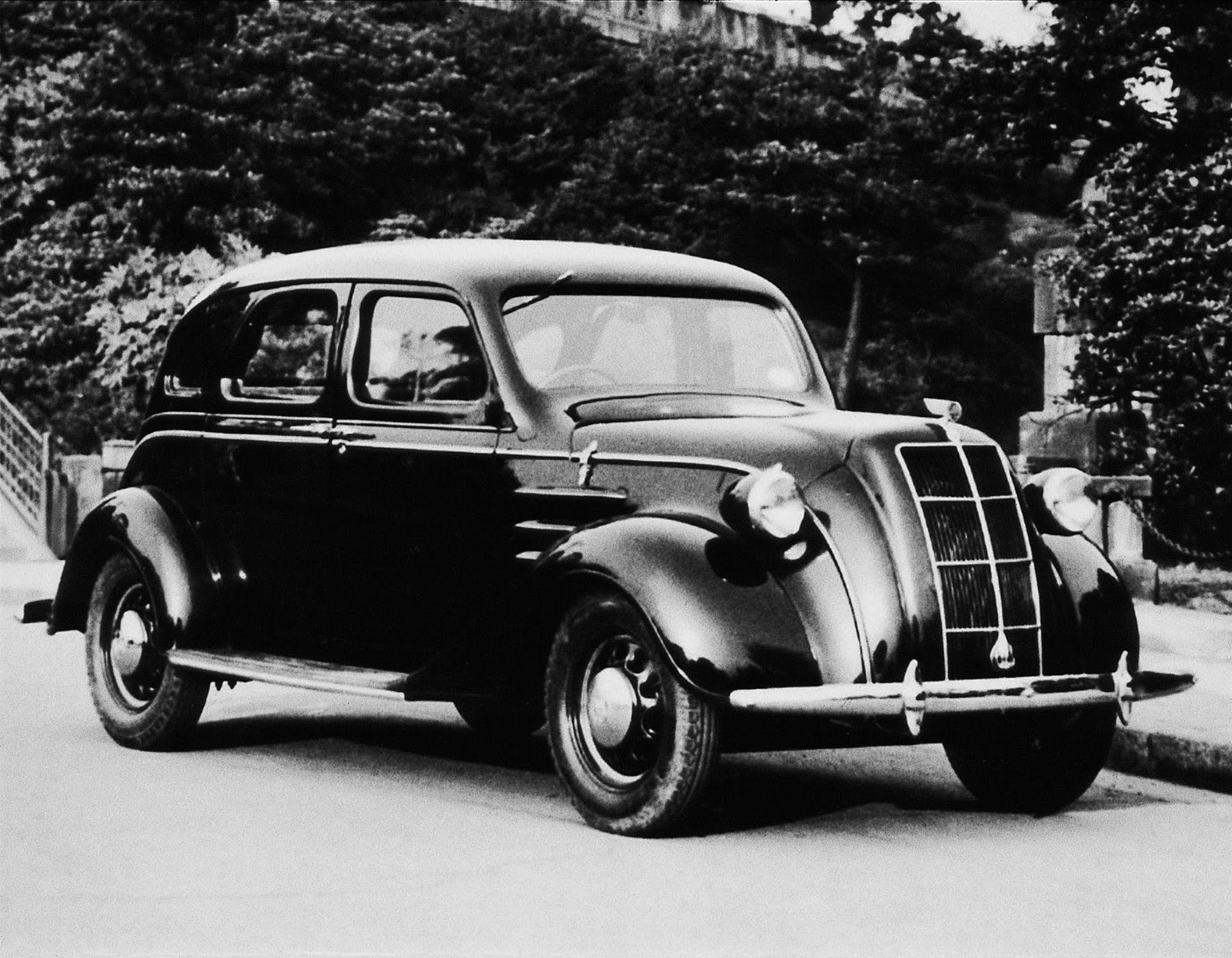
In 1934, Kiichiro and his team presented an experimental gasoline engine to Toyoda’s shareholders and convinced them to finance an entire separate automotive division. Just a year later, Kiichiro and his team produced a passenger car called the “Model A1”.