Cars
The History of the European Hill Climb Championship
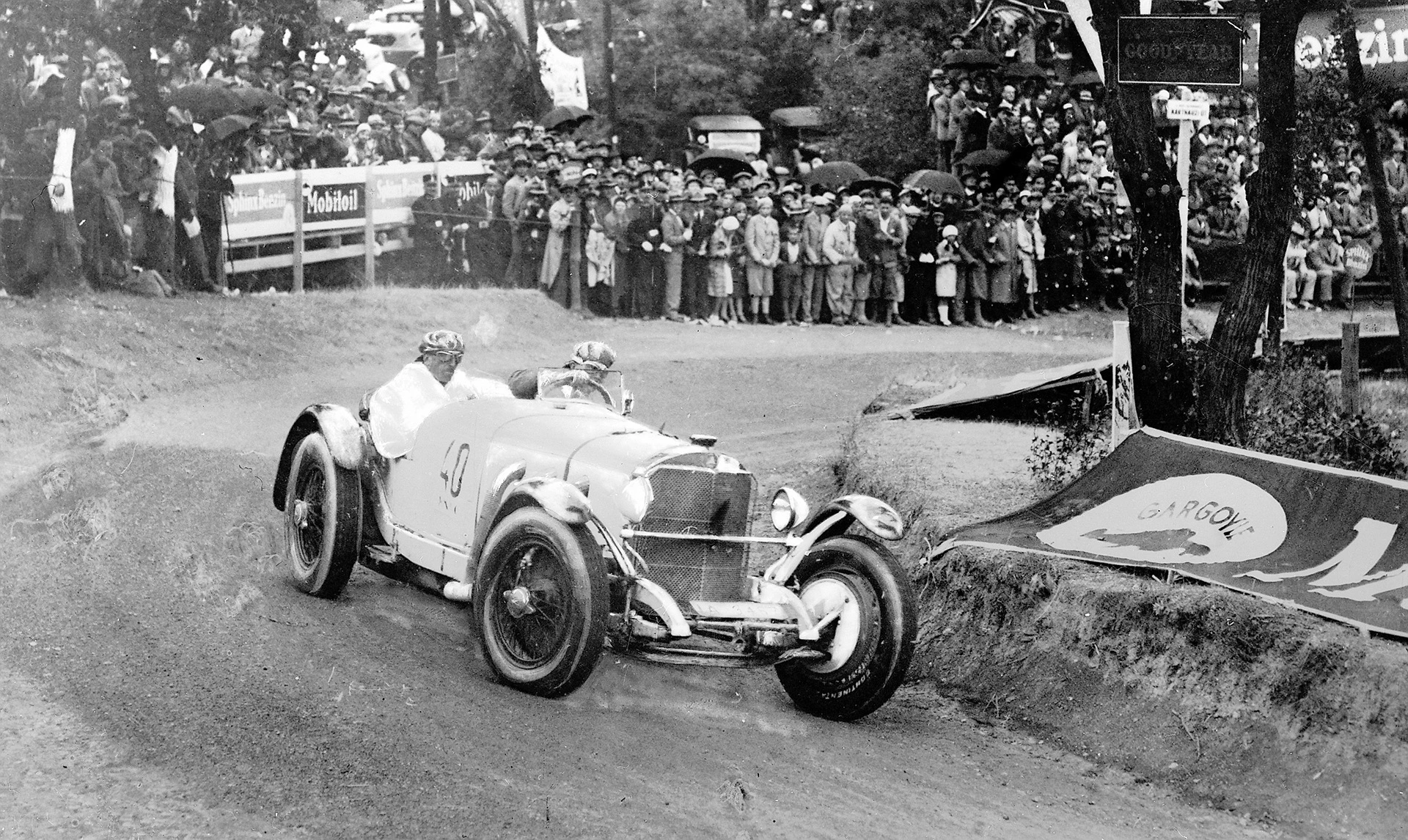
The European Hill Climb Championship, initiated in 1930, is a historic racing series on closed public roads, demanding high preparation and caution due to the dangerous courses. Revived in 1957, it features top manufacturers and drivers.

Hill climb races take place on public roads closed to traffic, requiring serious preparation and utmost concentration. Due to the dangerous nature of the course, which lacks even the basic safety devices we are accustomed to on racetracks, drivers must be extremely cautious. Competitors start one after another, aiming to record the best time, similar to cyclists in a time trial. The driver who completes the course in the shortest time wins.
Hill climb races have been held since the dawn of the automobile, such as the Turbie race near Monaco won by André Michelin (highlighting the importance of tires!), however, it wasn't until 1930 that the Automobile Club of Switzerland proposed the creation of the European Hill Climb Championship to the FIA, comprising 10 rounds across the continent. There were two classes: one for single-seaters and the other for sports cars. This championship still exists today, albeit with many changes, and is the oldest in the world.