Events & Tours
Tales of Le Mans from the Forgotten Marques — Part 2: Private dreams end at dawn
Front-engined muscle cars, loophole prototypes, billionaire romantics — Le Mans has always rewarded the stubbornly mad.
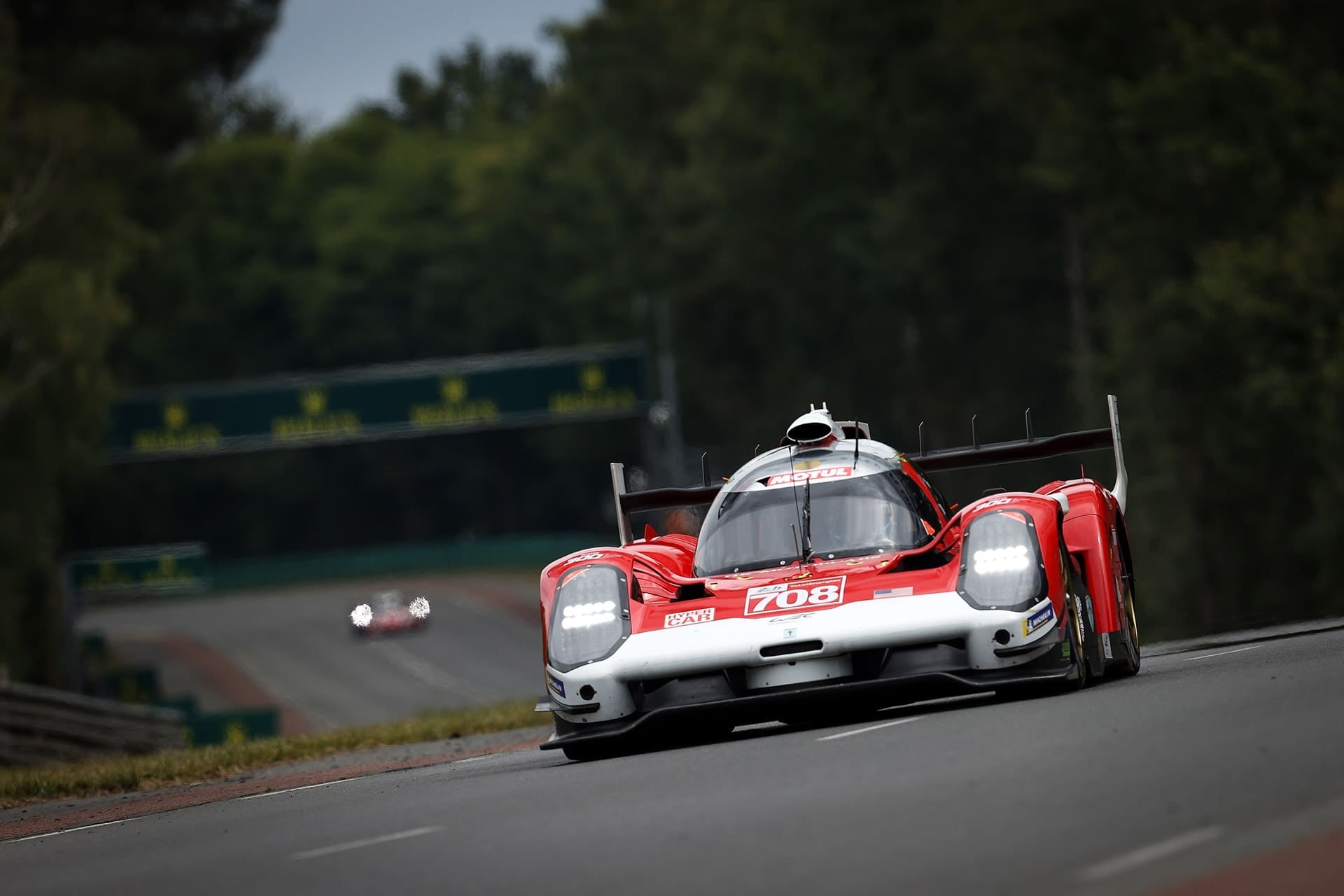
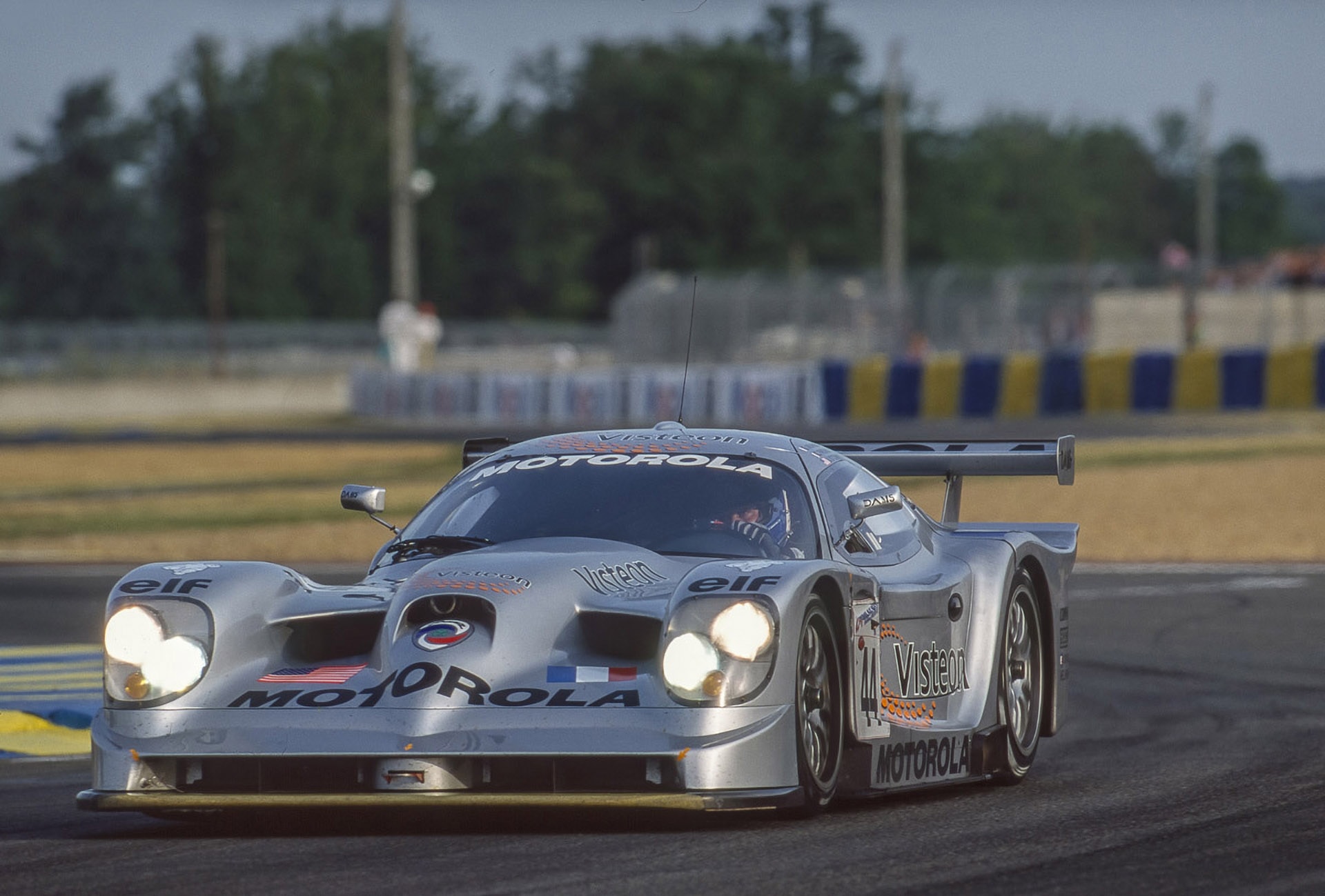
Panoz is a fine story to pick up the thread on unknown marques and the fever that is the 24 Hours of Le Mans. Don Panoz was an Italian-American entrepreneur who had built his fortune in pharmaceuticals through the nicotine patch. Plenty of money, a Le Mans dream, and a choice that was nothing short of eccentric: entering the Panoz Esperante GTR-1, a racing version inspired by American Muscle cars. Front-engined — this was the late Nineties, when the mid-engine layout ruled — an enormous Ford V8 of 6000cc planted up front in a long, loud, brutal machine that was completely outside the technical thinking of the era. It never won, which was predictable, but it was loved. And it was no dead end: Don Panoz went further, buying circuits and founding the American Le Mans Series.
Another unexpected move came in 1994, when the Le Mans regulations favoured GT cars with a greater fuel allocation compared to Group C Sport Prototypes. GT cars, naturally, had to be road-registered to be accepted into the 24 Hours. Porsche, working through Dauer and with support from Joest, took a dominant Porsche 962 prototype — a car that had ruled previous editions but was considered no longer competitive under the new rules — and transformed it into a "road car," complete with number plates and homologation, making it eligible to enter as a Gran Turismo. In reality, it was still a pure racing machine, now enjoying all the advantages of the GT category. The result: the Dauer 962 won the 24 Hours, and Porsche could claim yet another victory. A controversial masterstroke that remains one of the most extreme examples of how, at Le Mans, the line between ingenuity and the interpretation of regulations has always been one of motorsport's greyest chapters.