Cars
Ferrari’s Technological Innovations Part 19: The Evolution of Chassis and Materials
Ferrari’s chassis evolution mirrors its racing legacy. From tubular steel frames in the ‘50s to aluminum monocoques and carbon fiber innovations, Ferrari consistently pushes boundaries.

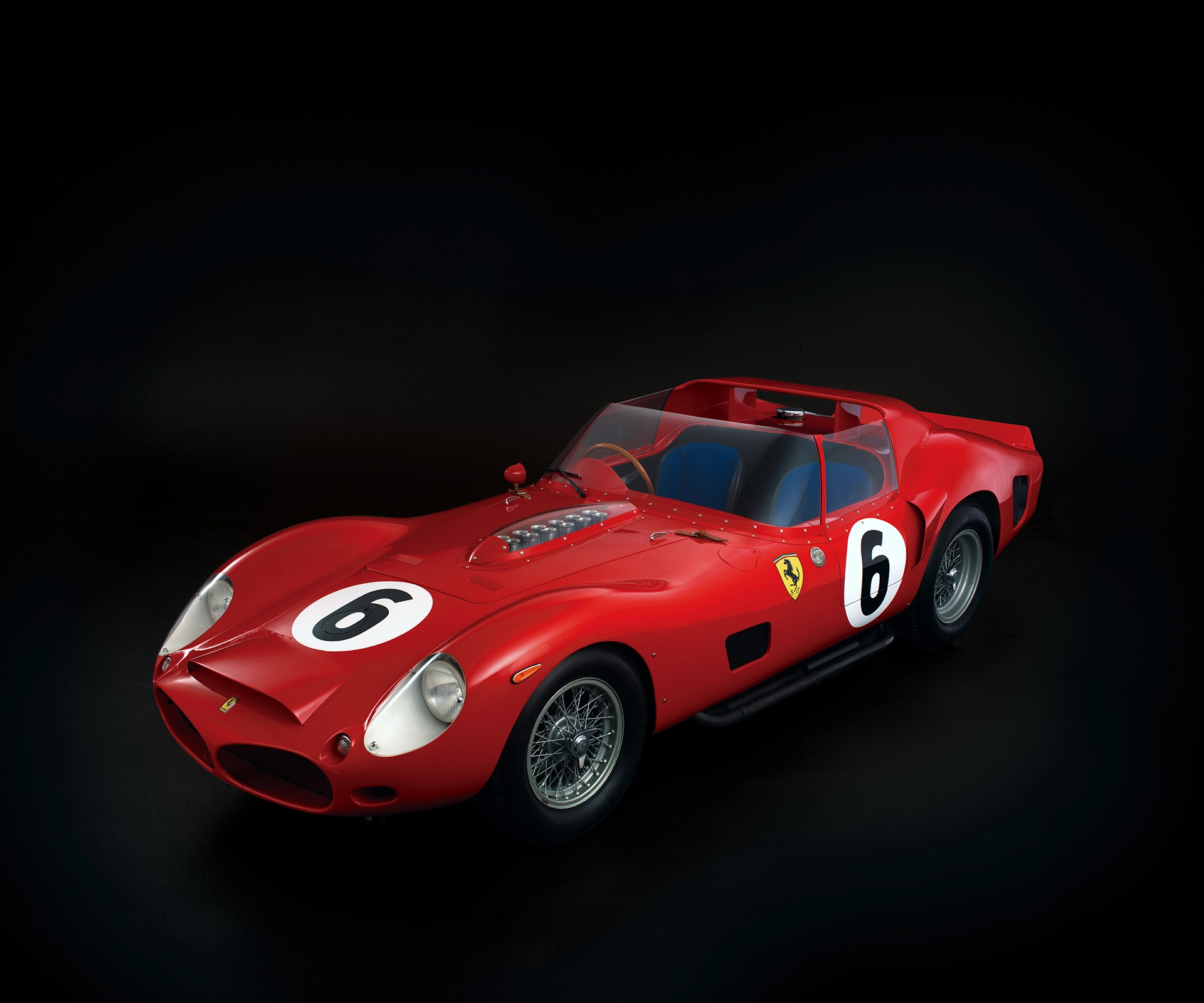
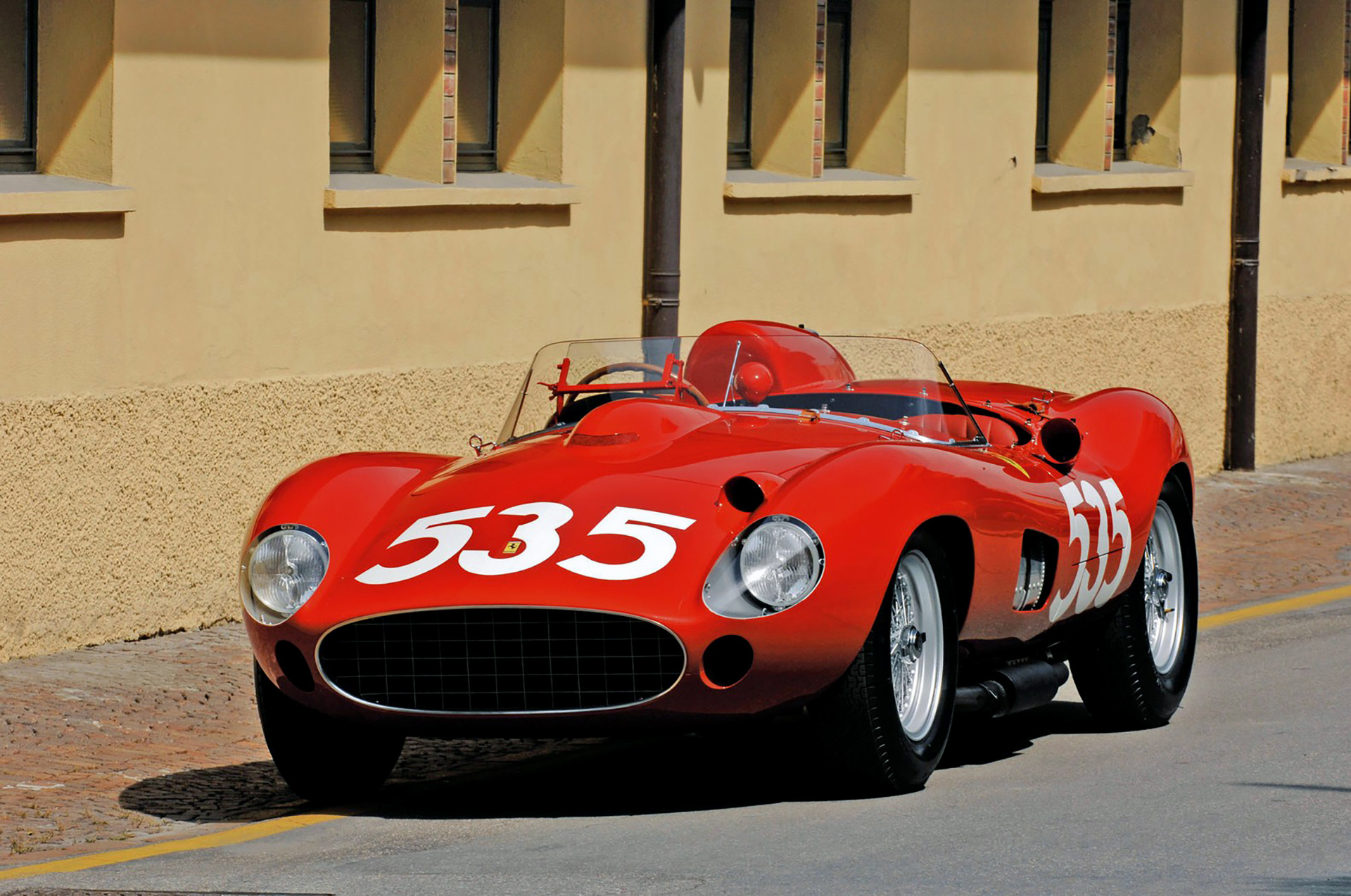
In recent weeks, we have published an overview of the many technological innovations Ferrari has brought to automobiles — first in racing, then in road cars, applying lessons learned from the track. The progress made in the automotive world since 1947, when Ferrari was founded, is truly impressive. This evolution has impacted safety, reliability, driving pleasure, and onboard comfort. We conclude by showing how the evolution of Ferrari road cars has been consistently inspired by racing experience. The chassis, along with the engine, is the heart of the automobile, and Ferrari has gone through several interesting phases in this regard. In the 1950s and 1960s, to achieve rigidity and performance both on the road and track, Ferrari used tubular steel frames with treatments ensuring maximum torsional stiffness. This approach was successfully tested by Enzo Ferrari in major endurance races, where Ferrari's open-top sports prototypes excelled.
After these early years, racing led to the transformation of chassis structures into true monocoques, progressively incorporating composite materials alongside aluminum. These innovations soon made their way into production models like the 288 GTO and, most notably, the 1987 F40. For the first time, a chassis seamlessly integrated steel tubes, aluminum, and composite materials in a car built for extreme performance.