Cars
Citroën: Impossible Adventures, Surprising Successes
Citroën’s epic 1920s-30s expeditions proved cars could conquer deserts, jungles, and Asia—now reborn as the Green Cruise of 2025.

One hundred years ago, faced with desert, jungle and unknown territories, André Citroën saw not obstacles but opportunities. The idea was born in 1922: the automobile was now a reality with the recent war finally over and the opportunities of tracked vehicles became known. Why not take advantage of this with precise objectives of publicising the company's mechanical quality and helping to get to know a continent with many resources like Africa? Thus were born what was christened the ‘Great Cruises’: The effect is astonishing: the Kégresse rubber half-track system allows the curious half-tracked vehicles to climb up and down sand dunes where camels trudge. The first experience goes from Touggourt to Timbuctù without any real problems. Thus the car, even if in a modified version to cope with the desert, becomes an instrument of daring discovery and no longer just a means of transport.
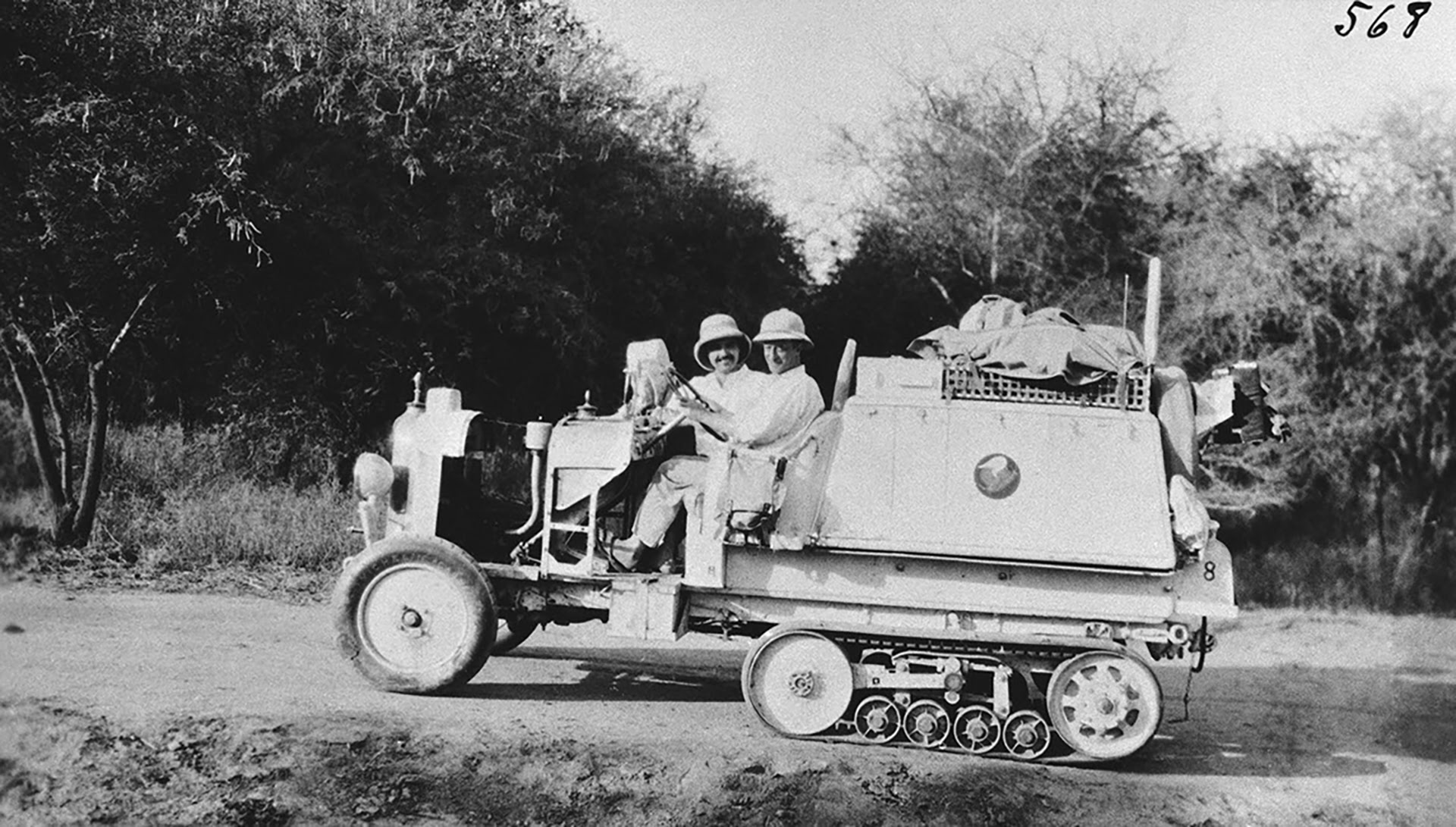
But that was just the dress rehearsal. Two years later, in 1924, Citroën launched the Croisière Noire. A daring, ambitious and controversial expedition. Seventeen men and eight cars crossed the African continent from north to south, from Algeria to Madagascar. 28,000 kilometres overcoming both natural obstacles and insects, fevers and moments of motivated fear. With this venture, Citroën expanded its French objectives to include activities such as scientific, anthropological and, given the historical period, political research. Ethnographers, zoologists and cameramen were also on board the unusual cars. The film shot by Léon Poirier, La Croisière Noire, will be an international success. Along the route, botanical specimens were collected, animal species were catalogued and local cultures were documented with thousands of photographs. Certainly a success for France as a country as well as for Citroen, which proved that its cars could endure anywhere and that the industry could master the most hostile climates and the most difficult situations. In other words, that the French Citroën was not only synonymous with technology, but with adventure, modernity and the future.