Cars
BMW M3 E30 DTM Group A. The Queen of Tourism
BMW's response to DTM setbacks in 1984: transform the E30 into the iconic M3. Eberhard von Kuenheim and Paul Rosche's vision birthed a dual-purpose legend. The 1987 DTM debut marked triumph, launching a global championship streak.

__Why.__ The first DTM Championship in history was held in Germany in 1984 and saw the victory of Volker Strycek driving a BMW 635 CSi. However, in the following two seasons, the title went to Volvo and Rover, prompting BMW to develop a high-performance version of the Series 3. Adhering to the Group A regulations of the time, which required race cars to be derived from a road car, BMW’s Motorsport division chose the newest and most compact car in the line-up, the E30 2-door sedan, as the starting point and subjected it to a high-performance makeover.
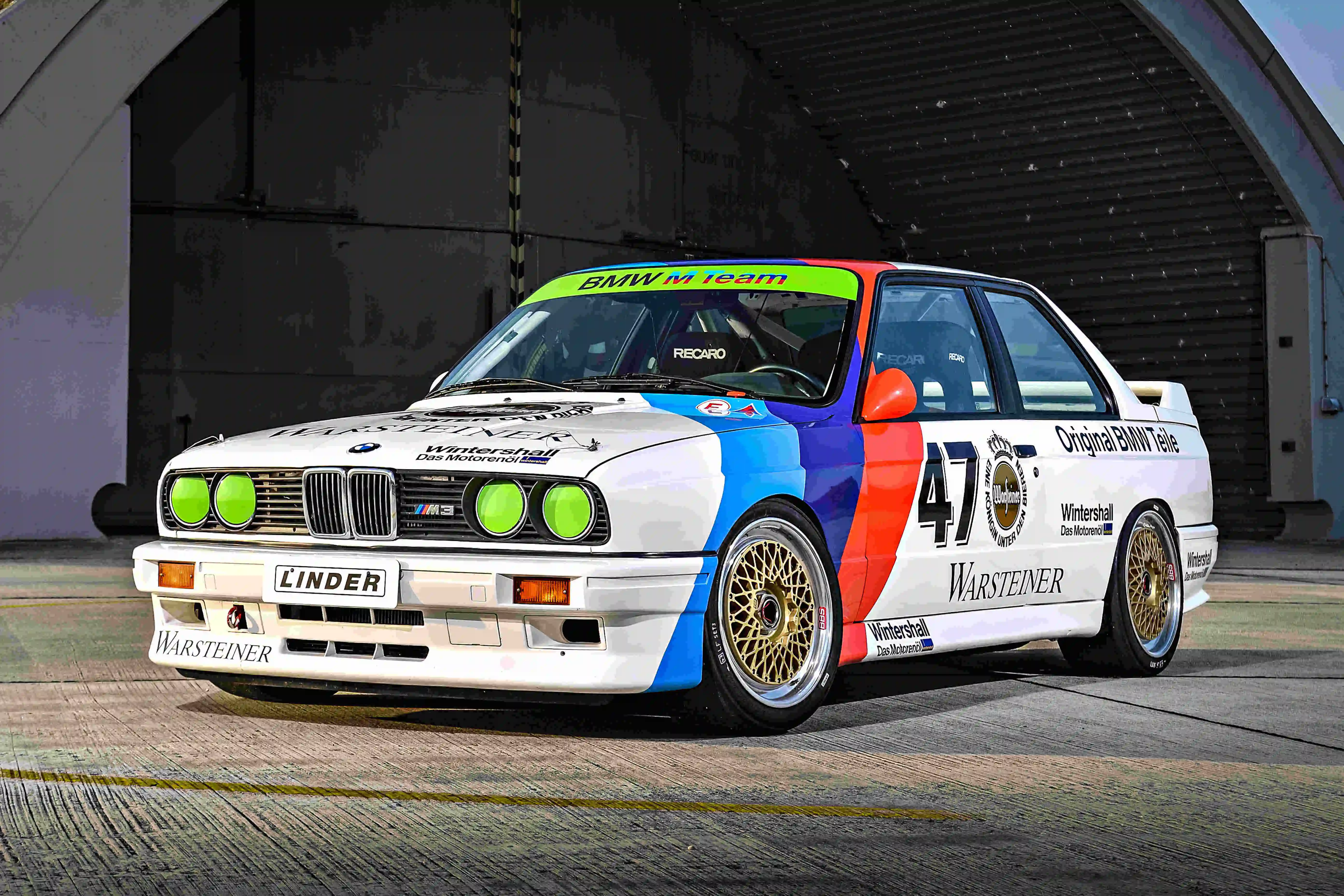
__When.__ In the 1970s, BMW infused a sporty edge into its road cars and established the Motorsport racing department. The iconic “M” badge that appears on the Bavarian brand’s sports models dates back to May 1972, when there were only 35 employees, soon rising to 400 by the end of the eighties. During this period, there was a surge in demand from enthusiasts for high-performance BMWs suitable for everyday driving. The Munich-based company had long forgotten the deep post-war crisis and was now capturing lucrative market segments overlooked by potentially formidable competitors like Alfa Romeo. The BMW M3 E30’s race version began development in 1986.