Cars
Aerodynamics. Over 100 years of evolution.
The article explores how air, once considered an enemy of car design, has become a valuable asset for optimizing car speed and performance.
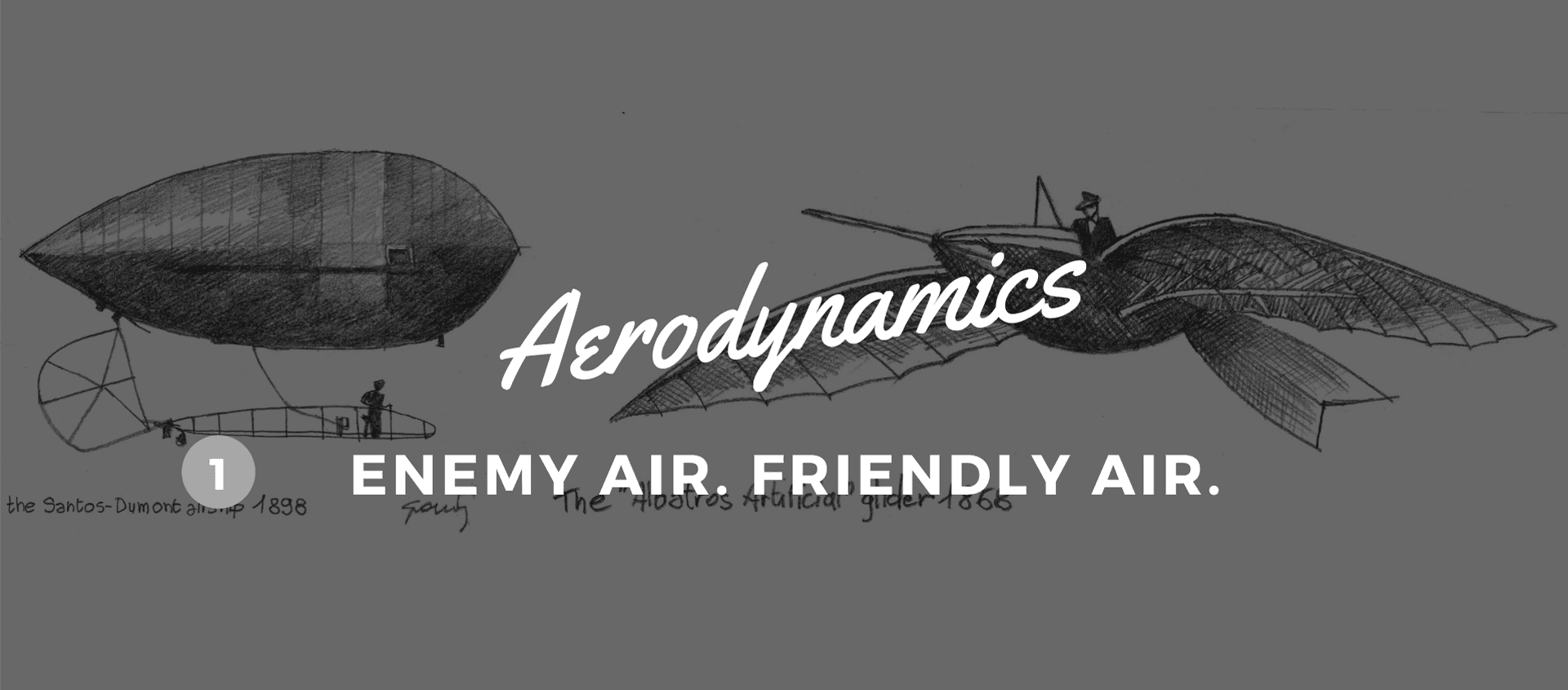
Leonardo da Vinci, through his studies that amalgamated art and science, understood how that gaseous mixture we call air could fade colours as the distance from them grew, thus proving its inherent density. A density that sees further proof in the flight of birds and, since ancient times, by the dream of Daedalus and Icarus fleeing Minos using wings made of wax. Just like for aircraft, air has played a fundamental role in the development of the car. If flight has seen the challenge of progress go from “lighter than air”, with its balloons and airships, to “heavier” in the form of modern planes, for almost a hundred years the car has considered air its enemy. Car design has thus always leaned towards optimizing air penetration, inspired first and foremost, by bullets. The famous CX drag coefficient index would give car manufacturers more than a few challenges to overcome until car racing showed them that, rather than the enemy as was always portrayed as, air could indeed become a precious friend.
In order to lap a circuit as quickly as possible, designers soon realized that it was far more effective to go faster around the corners even at the expense of lower speeds on the straight. And so, in the late 60s, the first spoilers and the first inverted wing shapes began to appear - first of all with Jim Hall and his Chaparral, followed by Ferrari and Lotus – each of which sought to crush the car down towards the ground to increase speed when cornering.
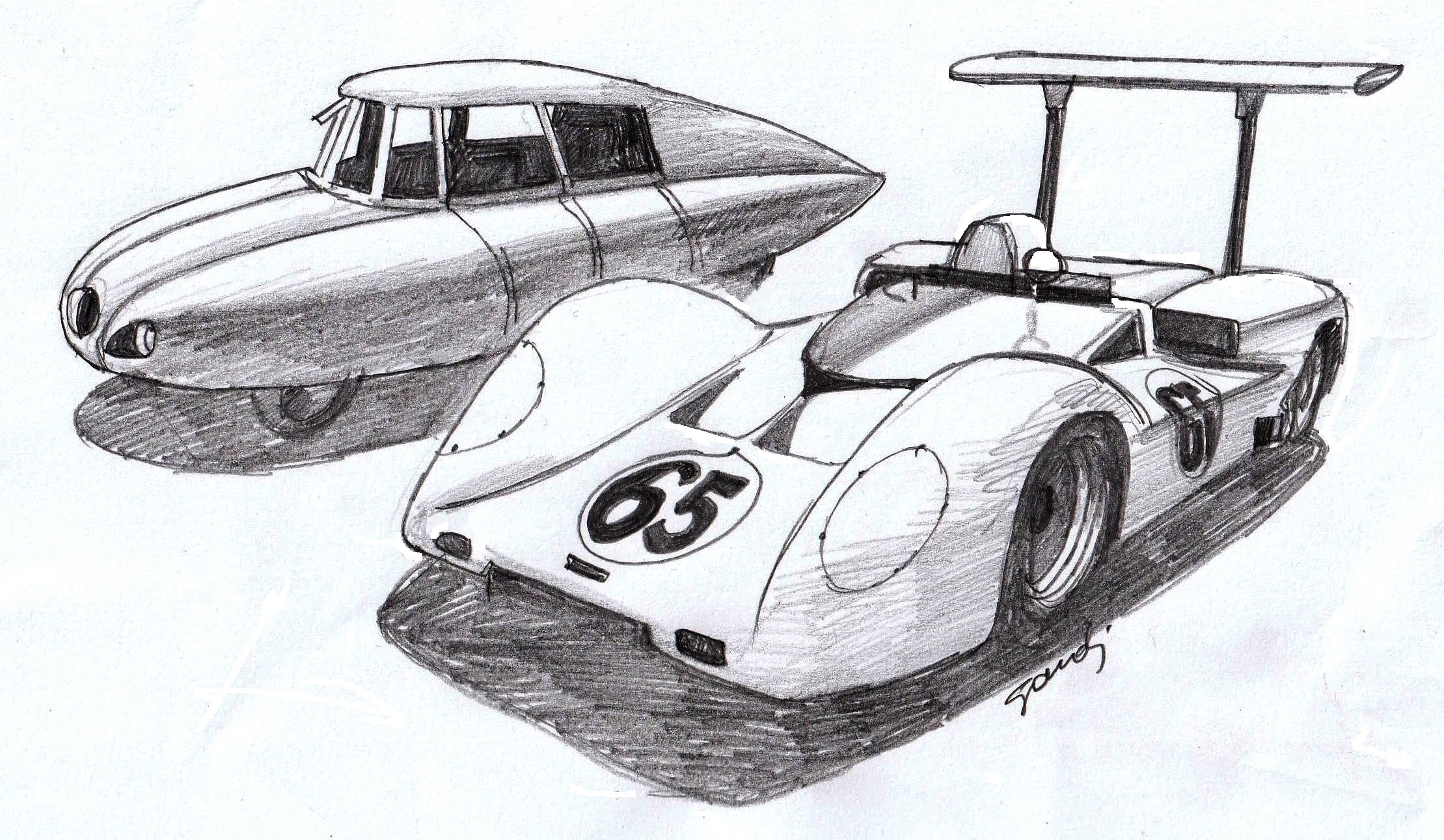 Enemy air: Jaray Concept - 1921