Cars
Corvette Stingray C3 (1968-1982) - a desire within reach
The Chevrolet Corvette C3 series of 1968-1982 is an iconic car that has seen success both in the automotive and pop culture worlds.

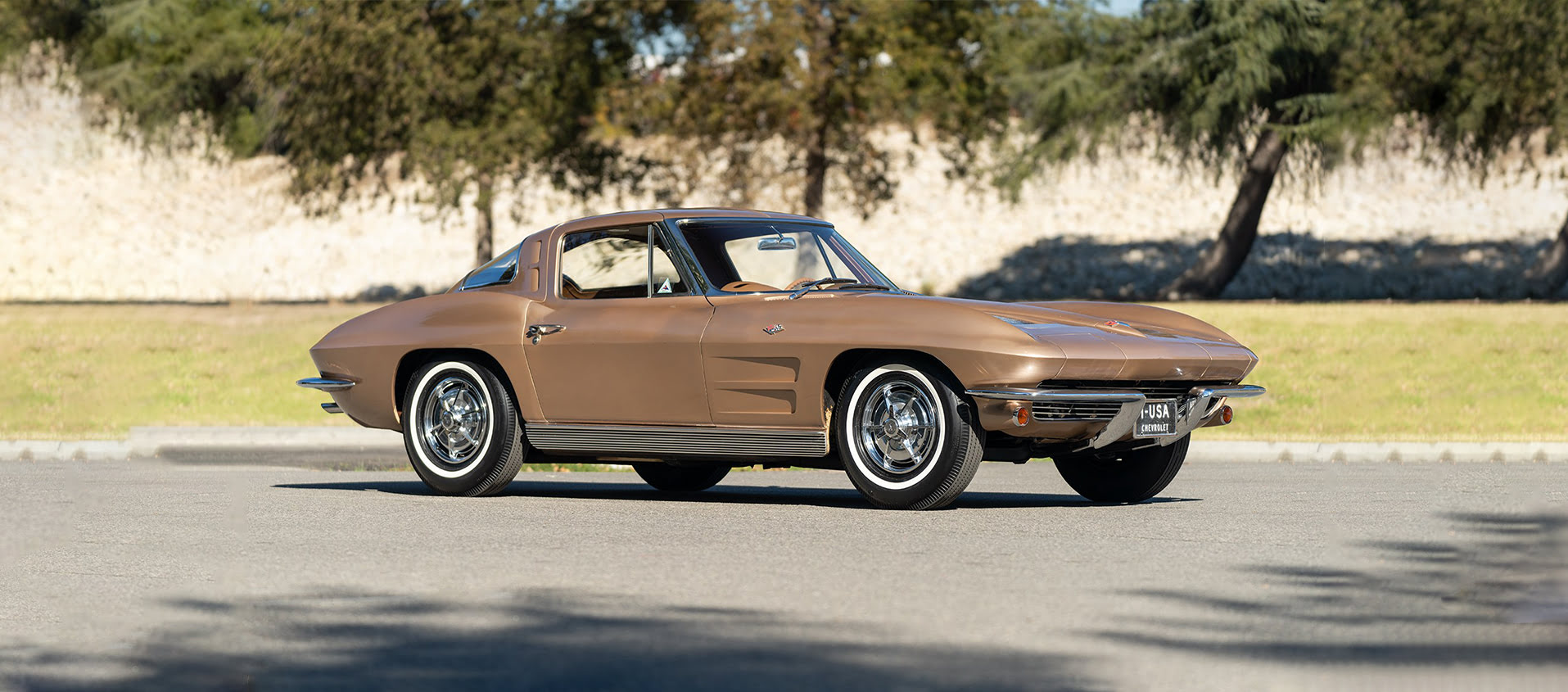
The Corvette Stingray C3 is the third major cosmetic transformation of the Chevrolet Corvette, arrived as the 194 Series in 1967, presented as a 1968 Model Year and remained almost completely unchanged, apart from a makeover in 1974 that eliminated the steel bumpers, until 1982. The novelty, compared to the previous series, was mainly cosmetic, since the engines and chassis remained unchanged but, despite this the C3 established itself as one of the most successful Corvette series in history. To further add to its charm, the name Stingray was written as one word, a name that had previously debuted on the second series, where it was written as two separate words. Even today, the car is strikingly beautiful, especially in the pre-restyling version, with its chrome steel bumpers and a lighter and more classic rear end, and yet for some reason the market has largely ignored it as on the one hand it tends to prefer the ’50s and ’60s versions and, on the other, the more recent models.
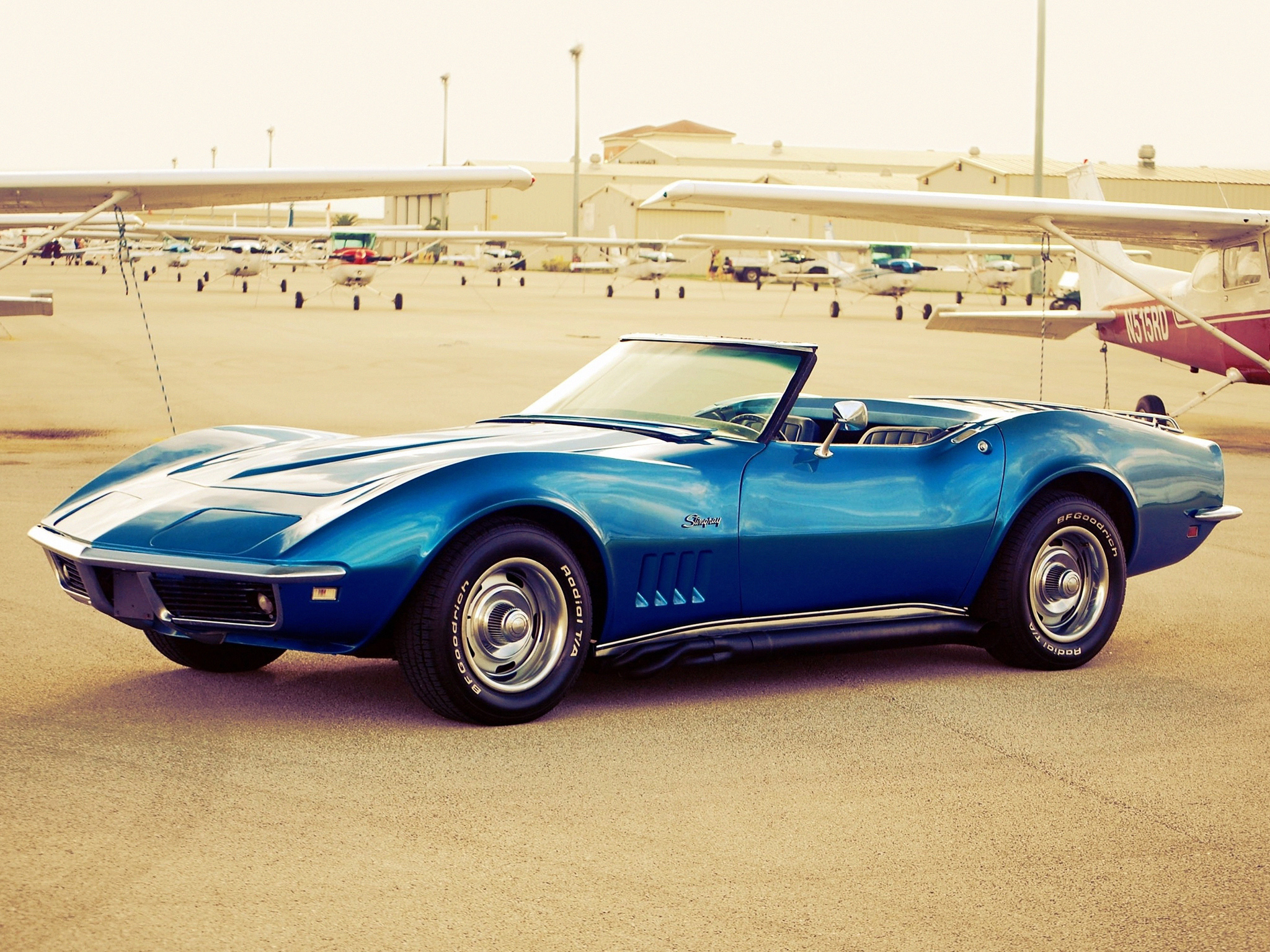 From 1968 to 1974, both the Coupé and Convertible versions had chrome bumpers that gave a touch of elegance to the sportiness of the model.
Equipped with the classic V8 engines, starting from 327ci (5.4 litres) (the first year) then 350ci (5.7 litres), up to 427ci (7 litres producing 400hp and then some), even the more “normal” versions of the C3 have always delivered interesting power outputs, starting from 250hp, a number that is more than capable of letting the driver have some fun, as well as fairly decent road manners thanks to the independent suspension and the 4 disc brakes. The coupé version had two removable roof panels (T-Tops), while the open-top version adopted a traditional canvas roof. The bodywork, following the classic Corvette tradition, was made from fiberglass and the rear space, which apparently seems to offer a large trunk, actually hides the fuel tank and the luggage space, which is much smaller than you might expect, behind the seats.