Cars
1923. The Bugatti Type 32. A racing tank
In 1923, Ettore Bugatti entered the Grand Prix of Tours with four Type 32s, a wing-shaped car with a short wheelbase, dubbed the "Tank". Its aerodynamics caused adherence issues, limiting its performance to a remarkable 180 km per hour.
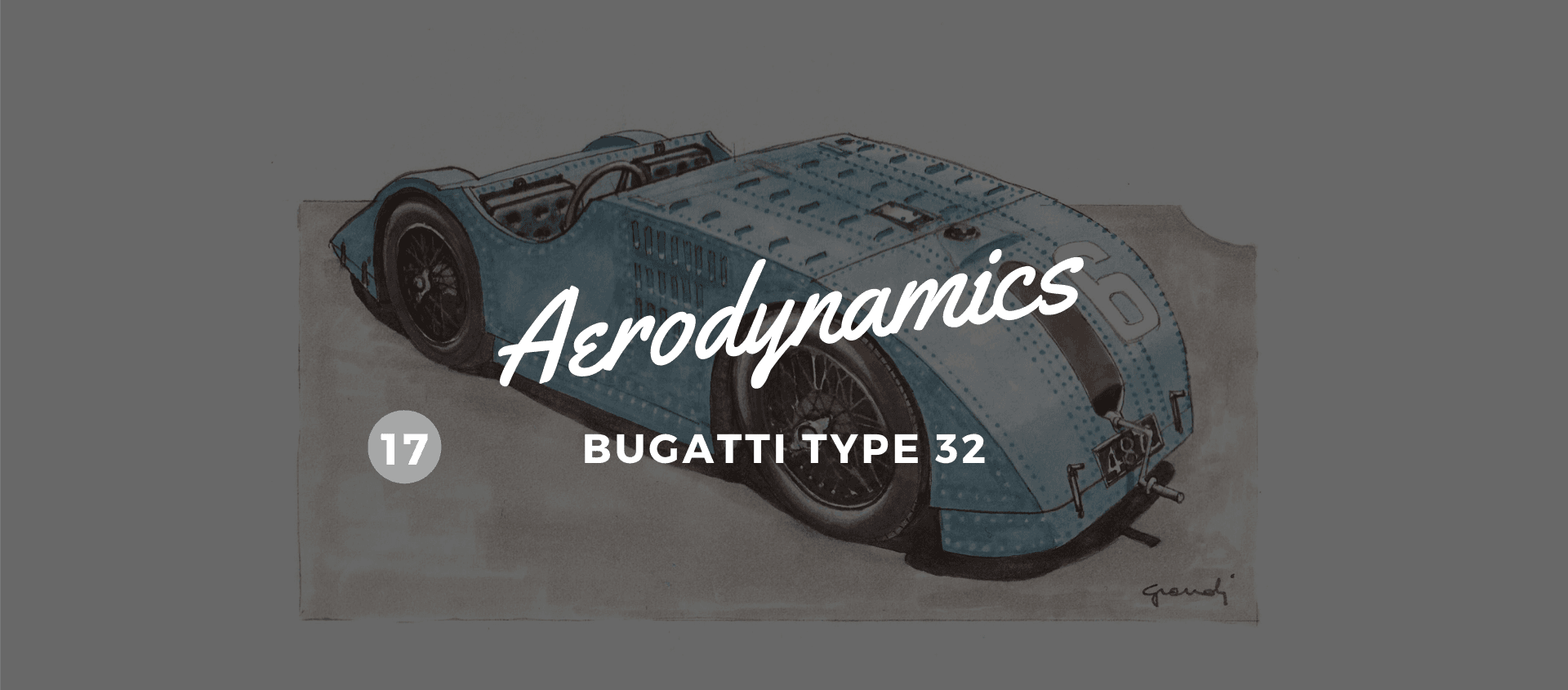
The genius of Ettore Bugatti was already well recognized when, in 1923, he entered four Type 32s in the Grand Prix of Tours. Even though his considerable success, dating back to the Type 13, grew with the Type 35, which was to dominate motor racing for years, Bugatti could not resist the temptation to explore the advantages of aerodynamics.
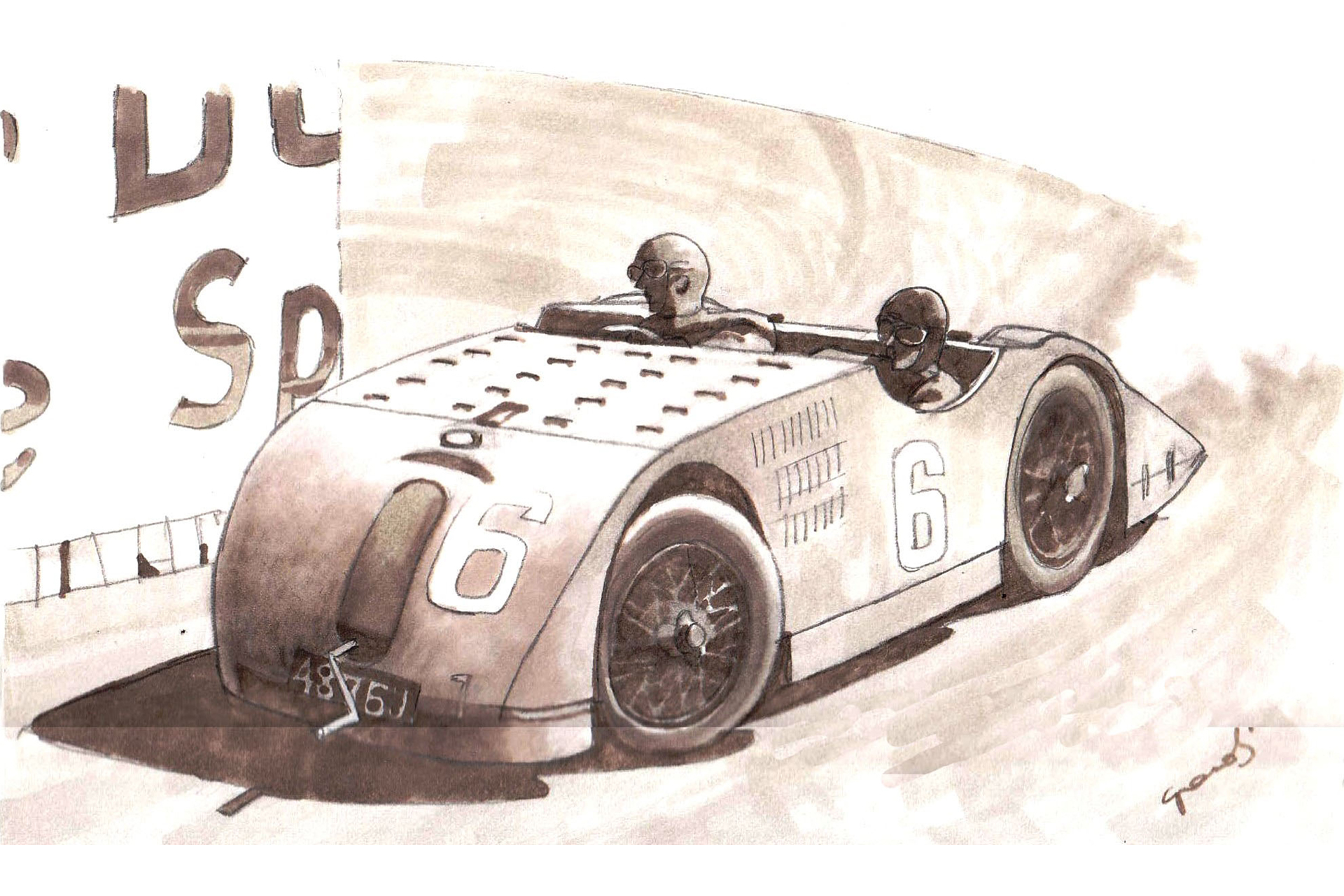 Nicknamed Tank for the curious exposed bolts on the streamlined body the Bugatti Type 32 proved to be less effective than Ettore imagined. It only managed third place at the 1923 Tours Grand Prix
His experiments in this area led to the construction of a rather solid-looking, wing-shaped car with a very short wheelbase. The car was dubbed the “Tank” due to the bolts used to fix the bodywork parts together. However, its powerful two-liter eight-cylinder engine — this was the maximum capacity allowed — was unable to express its full potential as the car, precisely because it was built like a wing, tended to lose adherence to the ground when travelling at speed. It was capable of a remarkable 180 km per hour.